Food Festival Stall Ideas: Lessons from Lils
This year, their distinctive brand of Middle Eastern food with a Mediterranean twist is at all the big ones, including Download, Isle of Wight, Leeds, Creamfields, Love Supreme, Bloodstock and TRNSMT.
We asked Jon to share a few of the secrets to his success that could help you run your own mini-festival – or go big like Lils.
How long has Lils been running?
We started it in 2017 as market traders in London’s Soho with a stall open from Tuesday to Friday with clear principles and a vision of what we wanted to do.
How did you get in Time Out’s list of best London street food traders?
We focused on good quality food and a desire to be really inclusive because a decade ago there wasn’t much in the way of vegan and vegetarian street food.
Why Middle Eastern street food?
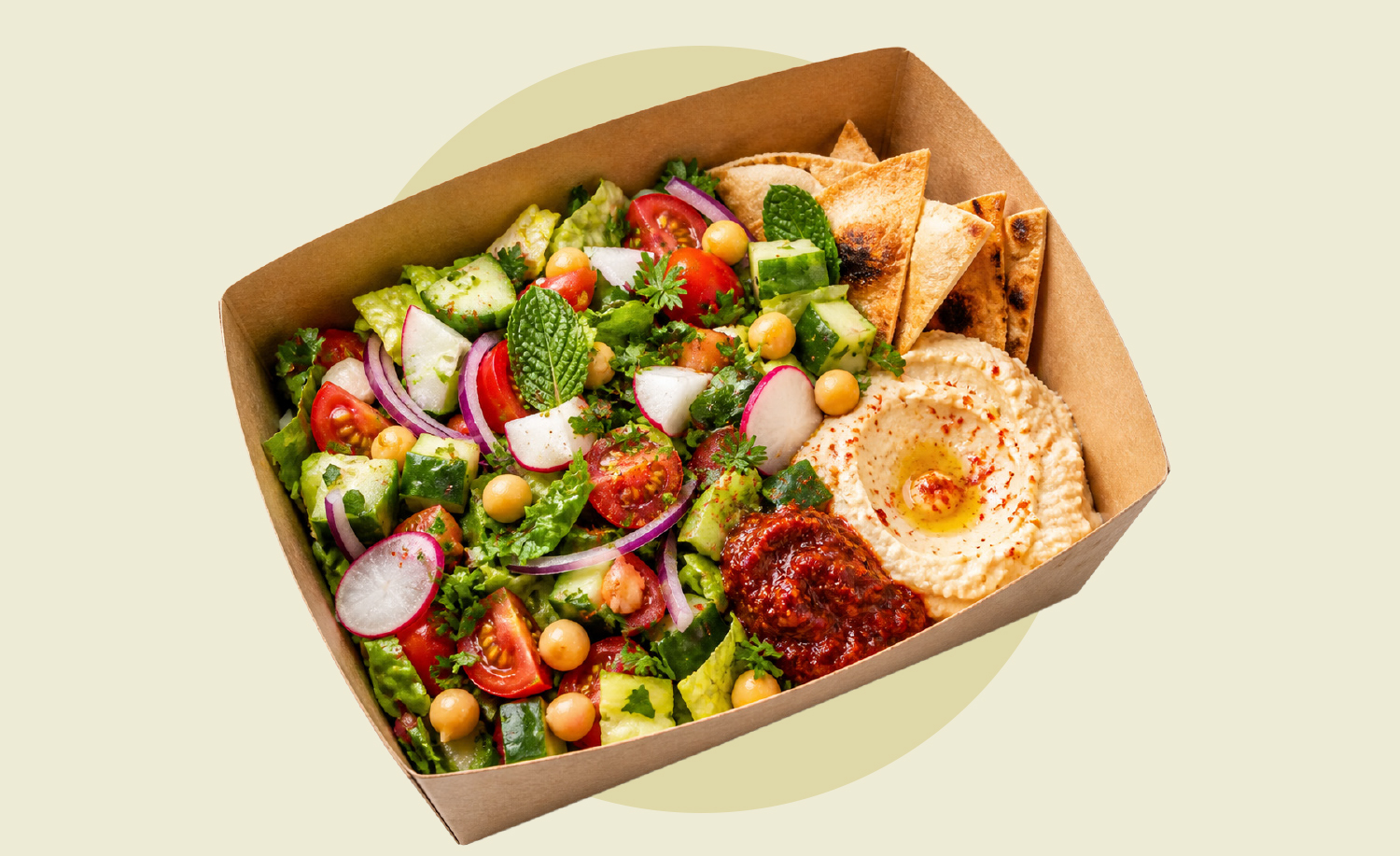
It’s Middle Eastern in style but with Mediterranean flavours, so lots of fresh salad, fresh herbs, spices and colourful. We wanted food that felt fresh, healthy and satisfying.
How important is value?
We want customers to feel like they’ve had a slightly bigger portion or pricing that’s a little bit lower. Because we make everything ourselves from scratch, our margins are different to someone buying ready-made falafel or chicken. It’s more work for us, but it means we can control the quality, price and offering.
Is authenticity important?
Definitely. We use chicken thighs from one trusted supplier, our chickpeas, halloumi, tahini and spices are all imported from Turkey. Our specialist ingredients come from specific suppliers and we don’t move away from them.
Do you have a motto you operate by?
Fast, fresh, healthy and satisfying food on the go. Our total focus is summer events, private events and UK festivals, so we have to be clinical and hit that every time. Customers don’t want to wait ages for food, but at the same time, whatever you’re serving has to be really good.
How important is it to scale up and build-in upsells?
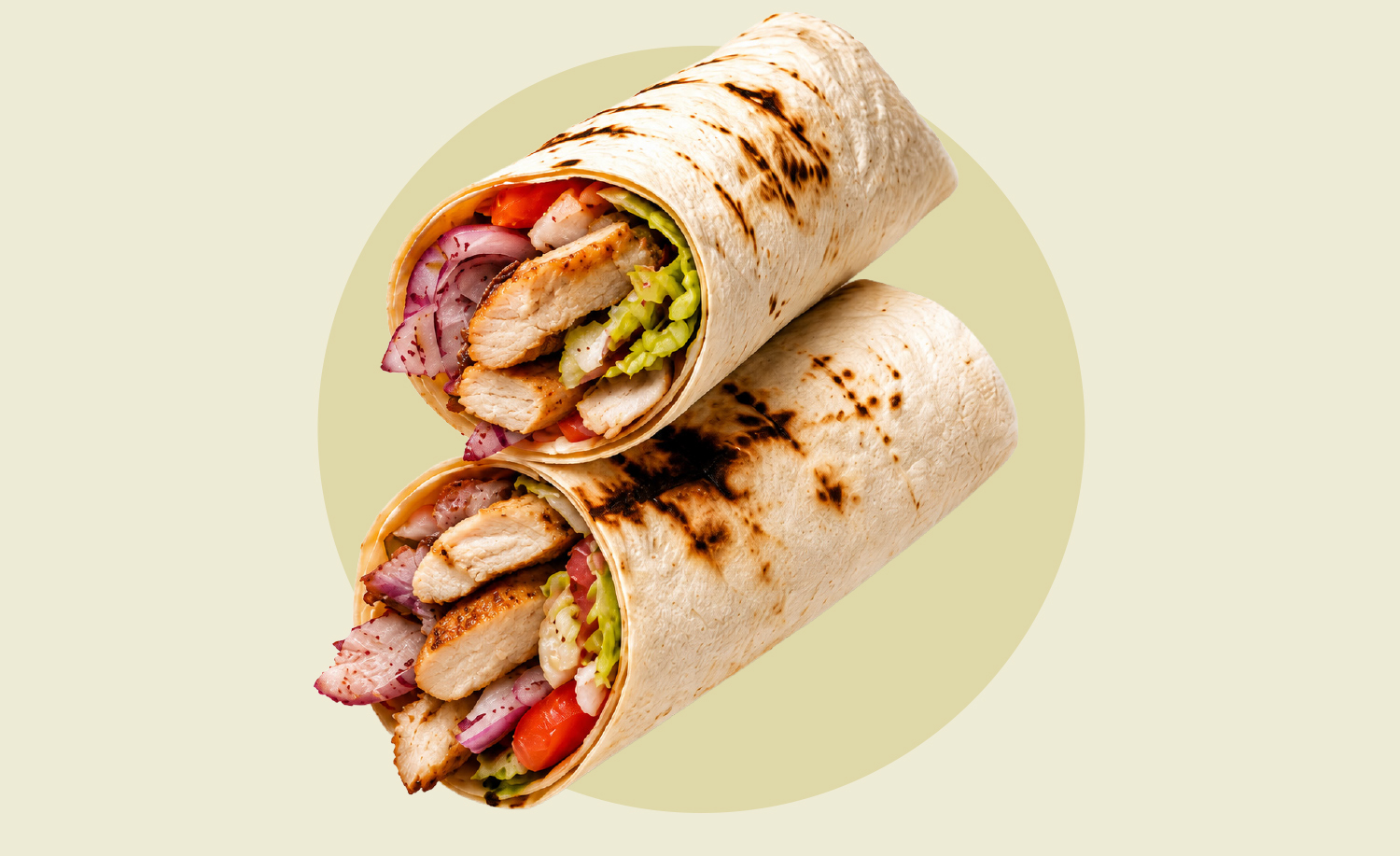
The idea is to get the average sale to a certain point, but we still want people to feel they’re getting value. Everyone chooses either a wrap or a salad box, then chicken or falafel. The wraps sell more, but the boxes are important because they give gluten-free customers a proper meal. Add-ons like chips and halloumi can go inside the wrap or box.
How do you keep things fresh and authentic?
We’re careful with the condiments and ingredients. We use a lot of mint, parsley and fresh, high-quality veg. The quality of the herbs and spices is crucial because ingredients like that are what bring that authentic feel to the food.
How do you balance high footfall with maintaining quality?
It’s trial and error. We’ve made lots of mistakes and worked out how to do it. For fast service, it’s all about organisation. Every member of the team needs to know what they’re doing, what goes into each dish and the method. We’re hands-on and both of us will always be at the event.
Do you like seeing big queues?
Some stalls encourage them to look popular but I don’t like seeing queues because I wouldn’t want to be in one myself. Some people see a queue and assume the food is good. But we want to serve people as quickly as we can, so they eat and judge us on that.
“Good food has a way of bringing people together. That’s at the heart of everything we do”
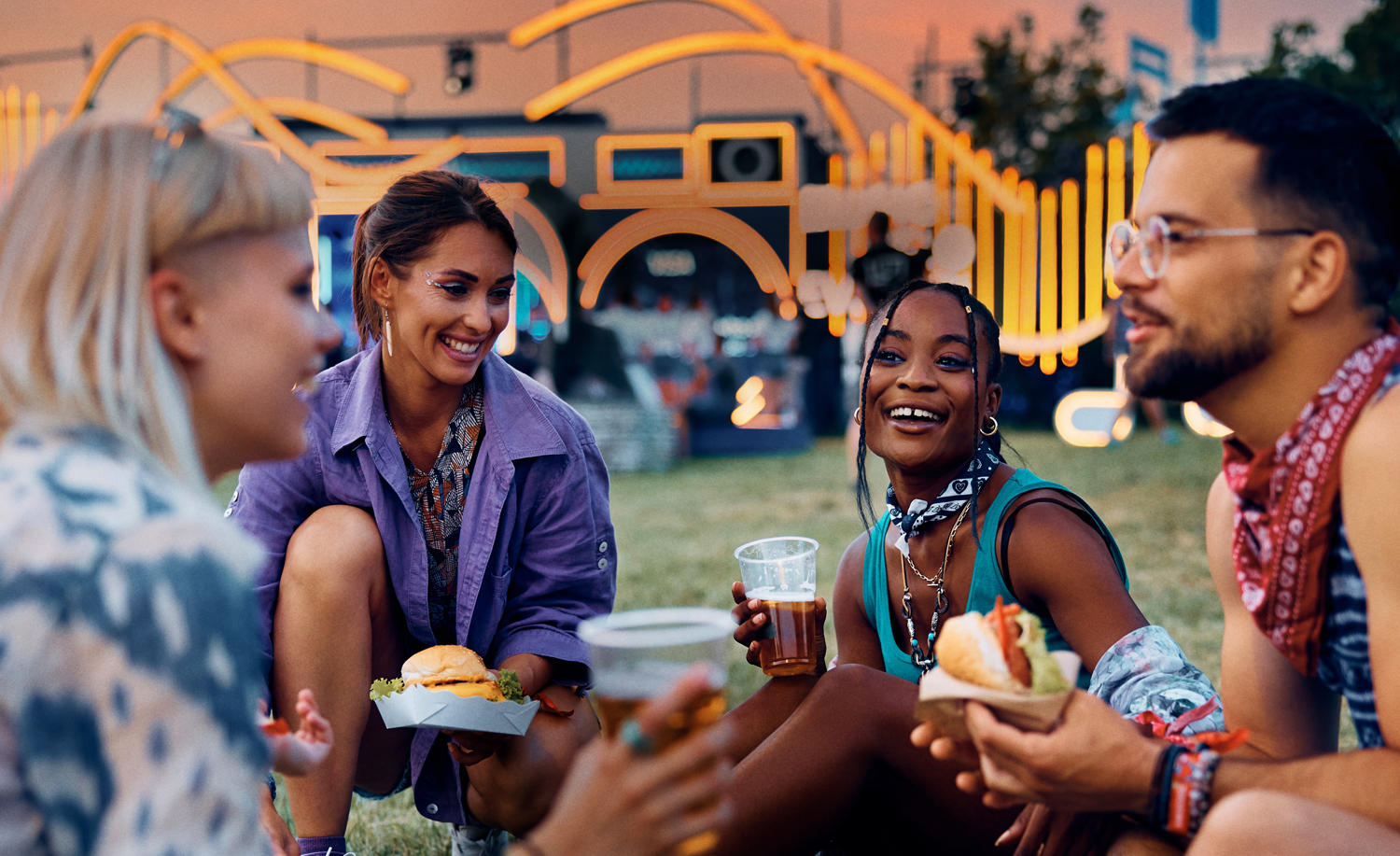
How do you keep things moving?
Generally we have two people taking orders and payments and two people preparing dishes. If it gets busy, we increase the number of people taking orders and making food. It’s all about putting staff where they’re needed.
How many orders do you take on a good day?
We try to target at least a thousand portions a day and often hit that. But the biggest challenge is unpredictability – you can lose power, lose gas or stock. Those are the things you can’t always rely on and they’re out of your control.
How do you keep margins up?
Quality and consistency are crucial. That’s why we stick with the same suppliers, even when prices change. We had a significant price increase on halloumi recently, but the quality was the same so we accepted it. We know how it tastes, how it behaves, how it cooks. In a fast-paced festival environment, the smallest deviation can mess things up.
How do you make the stand festival-friendly?
Lighting. You have to be well seen and visible and it has to be clear what you’re selling. People need to know what you’re about from a distance as they browse.
How much do you need to prep in advance?
We do it based on targets for the day and experience from previous festivals. If we’ve done an event before, we know how long it took last time and how each day can play out. Thursday is different from Saturday, for example. But we don’t bulk cook anything. Everything is hand-made and cooked to order.
What is the best stand set-up for speed?
Front of house and back of house are very clear. People don’t tend to move from their station once they’re in it. It’s repetitive, but we have a great team and everyone doing the same thing repeatedly keeps things moving.
How do you decide what makes it onto the menu?
We don’t change it much now because we know what works and what’s popular. Sometimes we might test a new dish, but that’s very rare.
How do you get a slot at a festival?
It’s a lengthy application process. Experience helps,
but we go into detail and include information about our food, process, sustainability and environmental policies. We don’t write what we think the organisers want to hear. It’s genuinely what we believe in.
How do you stay consistent under pressure?
Process, ingredients and team. We keep the same process and the same trained team as much as possible. Everyone has Level 2 food safety qualifications and everything else we teach them ourselves.
What surprised you most at a festival?
An environmental health officer said she’d put a flag on our company because we were the only one of 50 traders using raw meat. That was when I first realised most were buying ready-made, cooked or prepared dishes and just warming them up.