Ways to solve your recruitment crisis
The untapped secret to your venue’s next recruitment success. Hospitality is facing a perfect storm of rising costs and tight margins – not to mention difficulties in recruiting the right staff.
But Chris Gamm, Chief Executive of Springboard, the charity set up to tackle a shortage of homegrown talent in the sector, is adamant the next wave of great hires is definitely out there. His UK-wide team has helped tens of thousands of young, unemployed and disadvantaged recruits into training, careers education and structured work pathways.
He says: “The solution to hospitality’s recruitment crisis isn’t qualifications or experience – it’s attitude. Employers that give Springboard trainees their first opportunity are rewarded with engaged and enthusiastic team members.” The charity’s school-based sessions, which include the FutureChef competition, takeover days and summer training courses, are just a few ways of encouraging students to see hospitality careers in a new light. We asked Chris and Sandra Kelly, Skills Director at UKHospitality, what more could be done.
Changing the job market’s view of hospitality
Where are you seeing the biggest skills gaps?
There’s long been a challenge around the perception of careers in hospitality since Springboard was set up 35 years ago. Too few were seeing it as a fantastic career option and not enough home-grown talent was coming through. The sector is at a pinch point at the moment.
Are soft skills more important now?
Hospitality is a great bridge that teaches young people teamwork, communication, dealing with people, customer-facing skills, problem-solving, resilience. Our programmes give people first-hand experience of them all.
Are employers looking for new skills?
They’re now employing more for attitude than experience. They want someone with a great attitude and personality who is brilliant with team members and customers, and they can train the rest. That’s where we can help.
Spring into success
What do you prioritise and why?
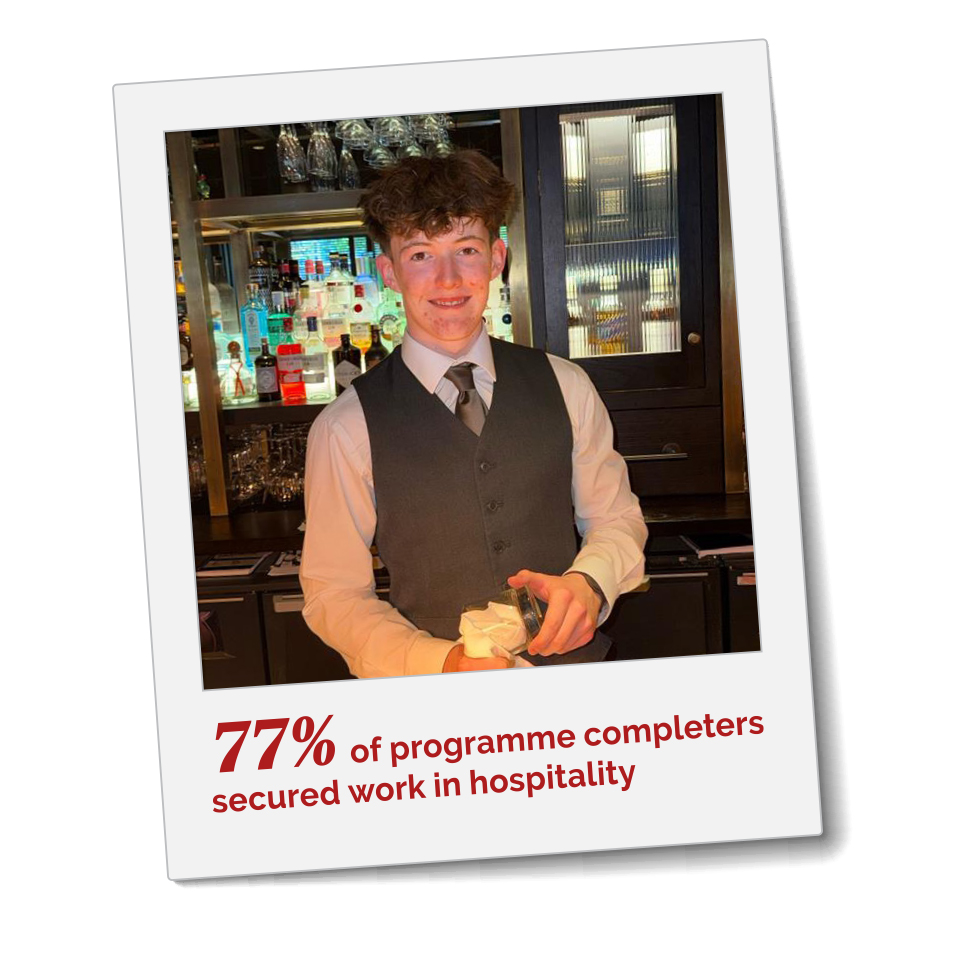
We train around 3,000 people a year using a tried-and-tested model and between 75% and 80% of those who complete a course get work in the hospitality industry. Around 86% are still in work after 12 months because of our focus on confidence, timekeeping, routine setting as well as the basic hospitality-specific skills.
How do you balance industry and transferable skills?
The most common course is three weeks’ training and a week’s work placement. There’s also a strong focus on mock interviews, CV writing, personal presentation and self-marketing.
Two practical days are behind a bar learning basic food and barista skills. There’s also time for industry visits to a private members’ club, a five-star hotel or a contract catering site. Finally it’s the work placement, guaranteed for every trainee.
How do you tailor your support to individuals?
Someone can come in who’s shy, lacking confidence or doesn’t know where they’re going. It doesn’t matter what their background is because we help them realise their potential and see they’ve got lots of skills they didn’t know they had.
We get them excited about an industry where you can go in without lots of qualifications and quickly move from minimum wage to a leadership role if they have the right attitude. We’ve seen it happen within two years.
“The strongest programmes are well planned, with employers working closely with training providers, giving regular feedback and building protected off-the-job learning into rotas. Getting the basics right – from choosing the right standard to providing a strong induction and supportive environment – sets up apprentices to succeed. ”
“Businesses that take a strategic approach to apprenticeships by setting out clear progression pathways are seeing the greatest impact, with apprentices becoming skilled, motivated and loyal members of their teams.”
Business buddying
What does the partnership look like?
We work with 30 to 40 employers who fund or support our courses, host practical training days, offer industry visits, give careers talks or offer placements. We’ve also got 2,500 Springboard ambassadors who give up time to run mock interview sessions or offer structured work placements.
Last year 422 individual hospitality sites employed Springboard trainees.
How do you tailor support?
We work across 12 UK regions with high unemployment and deprivation levels, where hospitality businesses can offer opportunities for career changers or inexperienced people.
Each programme manager has a mix of national and local partners so we can ensure the right fit for each individual. We’re not just saying ‘you want to be a chef? Right, let’s go.’ Even if they don’t stay in the industry, they still learn and grow as a person.

“Apprenticeships are a fantastic way for businesses to develop future talent, combining hands-on experience with structured training from day one. When apprentices are supported with clear contracts and meaningful responsibilities, they can make a real contribution while building valuable skills.”
Benefits of on-the-job training
What are the advantages for businesses?
We get their starters motivated and ready to go. They arrive on day one fired up with basic confidence and skills. They need time to bed in, but they value the job and it shows in the retention figures. Morale is better too, because if you go in with a foundation of knowledge, that’s the best start.
What’s the business case for investing in talent?
We’re not just building their confidence and workplace readiness, we’re selling what’s possible through the apprenticeships, the training and the progression. They’ll be looking for that from their employer too. The trajectory can be remarkable and very fast for the right people.
What does success look like?
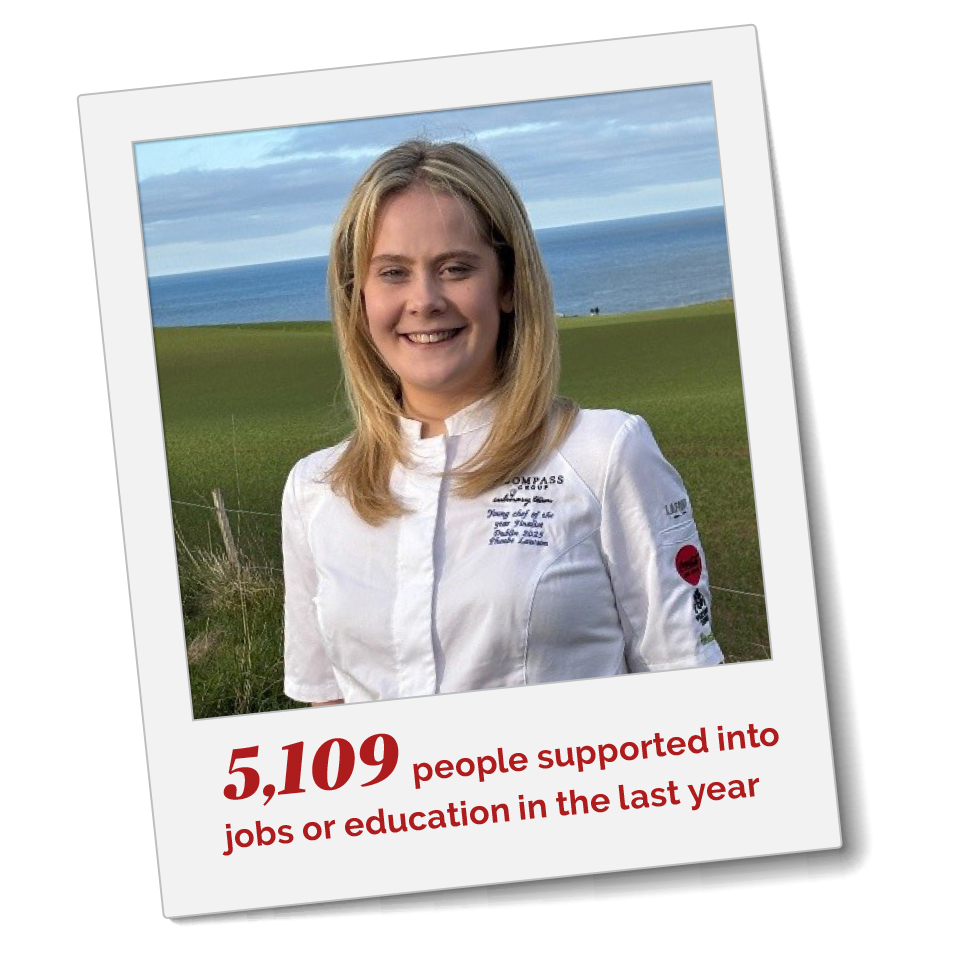
We had a trainee who came through Future Chef at 15. She’s now overseeing the pastry section at Gleneagles, one of the best restaurants in the world. From a school cooking competition to a leadership role in a world-class venue within two years – we gave her confidence, opportunity, basic skills, and opened the door.
Chasing off challenges
What’s the biggest barrier for businesses?
Time. Everyone is busy at the moment so we just ask for their time to send a team member along to meet the trainees.
What’s Springboard’s biggest challenge right now?
Plenty of people successfully finish our courses, but finding jobs for them at the end is harder. so we’re always looking for more businesses willing to offer a work placement – not necessarily a guaranteed job, just an opportunity for that individual to go through a normal recruitment process.
What would you say to a business on the fence?
Give someone a chance by investing in the next generation and the future of your business. Think differently about who you’re recruiting and you’ll get a brilliant, committed workforce who are going to work hard for you – and stick with you.
The single most powerful thing employers can do is give trainees a fair first chance – a trial shift, interview or entry-level role. Because once they’re in the door, they consistently prove they’ve got the attitude and potential to succeed.