Hot weather health: Summer menu ideas for care homes
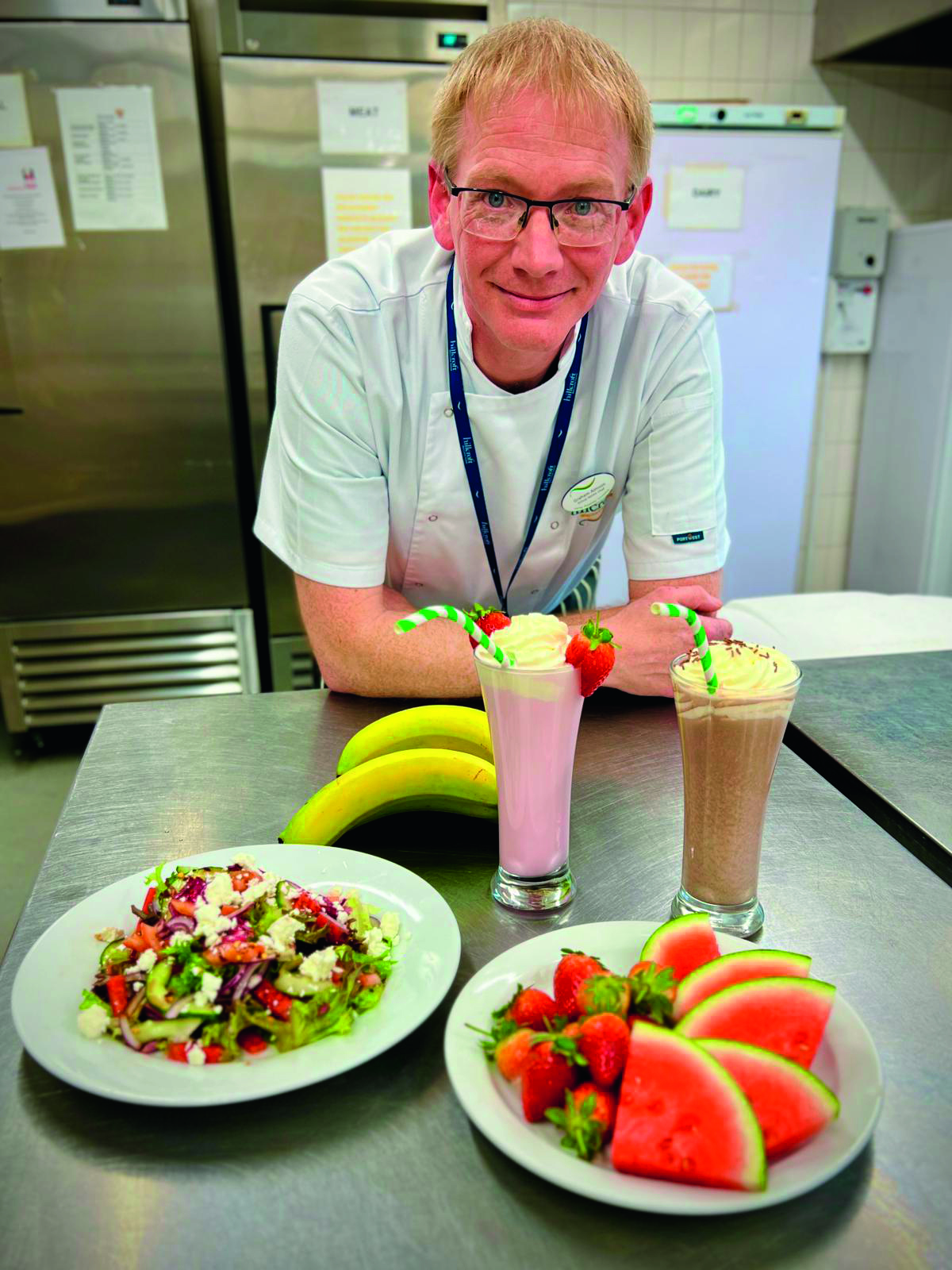
Hot weather has become a more regular occurrence in the UK. Heatwaves pushing temperatures up to or above 30°C are particularly dangerous for older, vulnerable adults. Putting steps in place so they can stay cool and well hydrated is essential to maintaining their health. For Graham, who runs the kitchens in all six Hillcroft Nursing Homes in North West Lancashire, summer means redesigning his menus to keep them safe. “We have the usual four-week menu cycle in place to meet the constantly changing needs of our 270 residents, as well as keeping it seasonal,” he explains.
“Around Easter we change the menu from casseroles, stews and hot puddings to lighter options. Our kitchens offer restaurant-quality options 24/7, so if a resident wants an ice lolly at 6am, then they can have it. This is important when coping with the heat, particularly in the homes that don’t have air conditioning.”
Stock your freezer
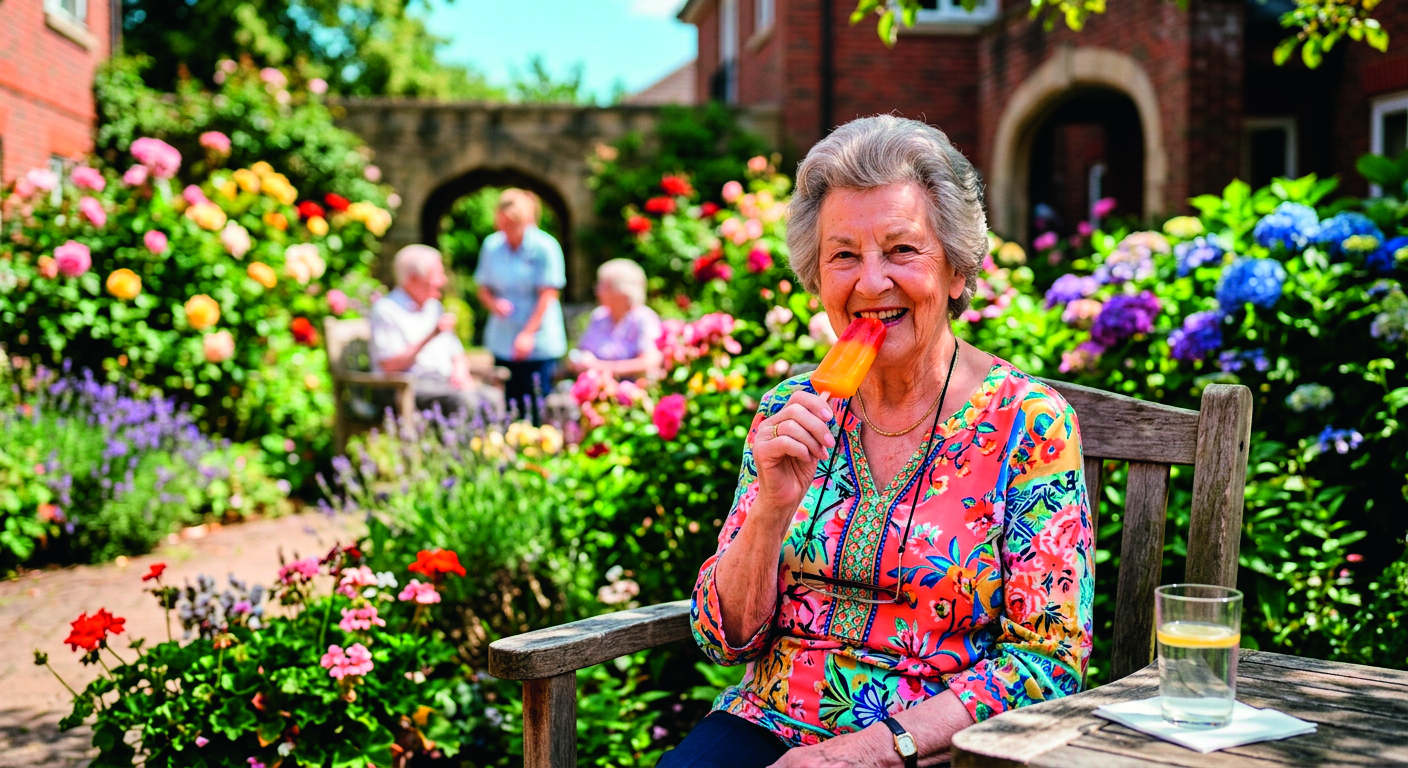
Having an endless supply of ice creams and lollies is essential when the hot weather arrives. Graham says: “We prioritise fruit-based options rather than chocolate ones as they are more attractive for people with lower appetites.
“I’d recommend starting to fill up your freezers as soon as possible. I start stocking up in March or April. You don’t want to wait too long as suppliers will get a sudden hit when the hot weather arrives. Think about it ahead of time, then you’re ready when the sun comes out and you’ll be first in line when stock becomes available.”
Think liquids
Dehydration is a big risk for older adults, particularly those with conditions such as Alzheimer’s or dementia. For Graham, stocking lots of options is essential to stop them from getting bored. “Of course, cold water is always on tap, but making sure there’s a variety of fruit juices, soft drinks and cordials is also key – such as swapping from orange to tropical!”
To counteract drops in appetite during the hot weather, Graham also offers liquid-based puddings which pack in the calories. He explains: “The fact that our residents can have whatever they want whenever they want protects them from malnutrition. Options such as milkshakes full of ice cream, cream and chocolate help them maintain a healthy weight, even if they don’t feel like eating.”

Signs of Dehydration in Care Home Residents
Dehydration can develop quickly in older adults, especially during warm weather or illness. Care home residents may not always recognise or communicate when they are thirsty, making it important for carers to spot the warning signs early.
Common signs of dehydration include confusion, dizziness, fatigue, a dry mouth and dark yellow urine. Residents may also experience headaches, reduced urination, weakness or increased risk of falls.
Encouraging regular fluid intake throughout the day can help support hydration and overall wellbeing in care settings.
Hydrating fruit and veg
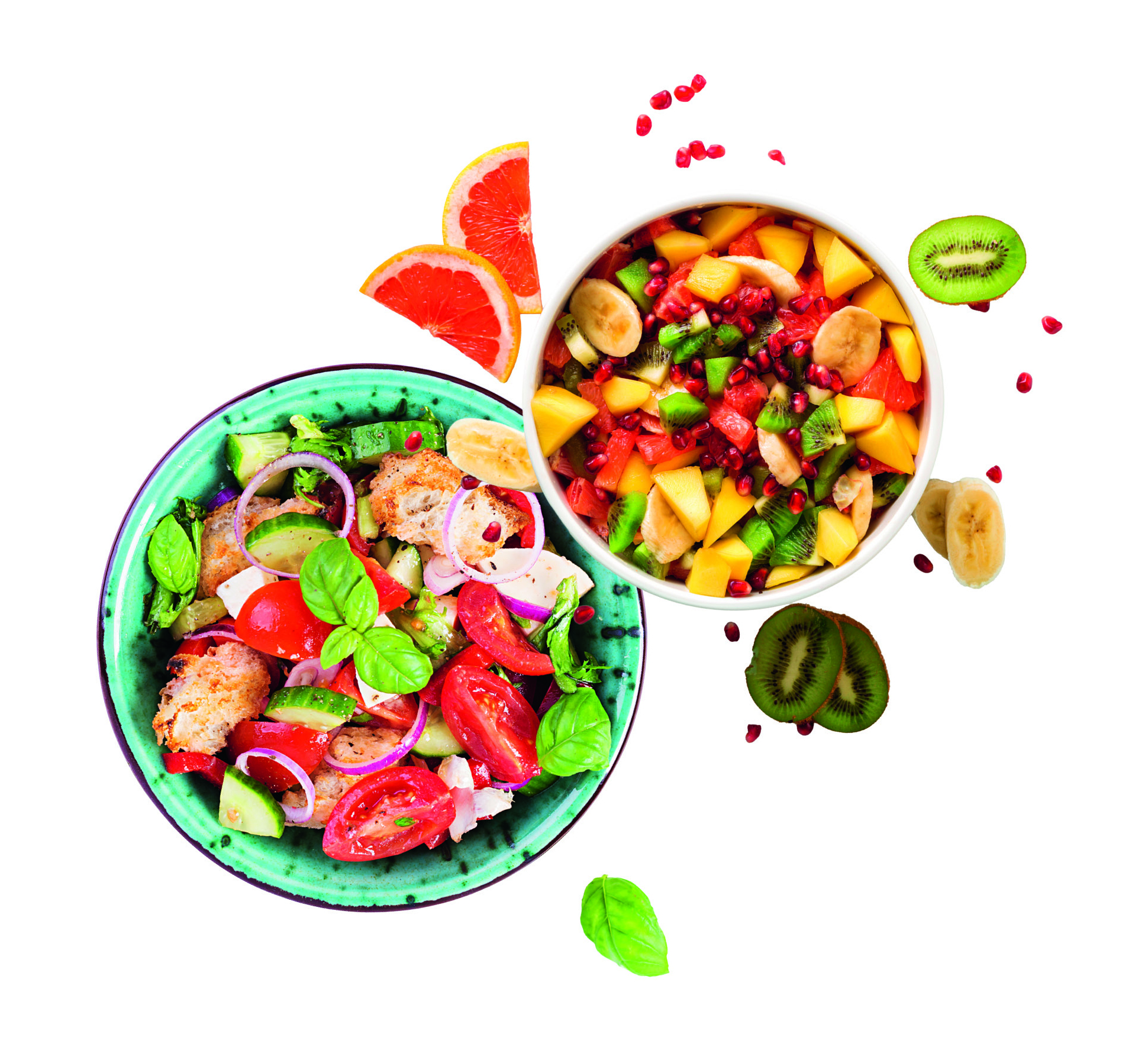
Using fruit and vegetables as an alternative source of hydration is also in Graham’s mind as he starts to build the care home summer menu. “If you think about cucumber and lettuce, they’re mostly water so making these the base for our salads helps us to keep residents hydrated.”
“We always have fruit on offer around the homes, so residents can take what they like. Plus, they feature a lot in our menus. Banana and chocolate milkshake made from milk, cream, bananas, chocolate sauce and ice cream is always popular, and a great source of potassium. We also blend soft fruit, strawberry ice lollies, water and sugar syrup to create a fresh, hydrating ‘slush puppy’.”
Colourful, sweet salads
“If there’s one dish that’s sure to come back to the kitchen, it’s a basic salad,” says Graham. “Putting just iceberg lettuce and cucumber on a plate isn’t very appetising to look at. Using colour and sweetness is key to getting residents to enjoy salads and take on all the essential nutrients they need.
“Oranges, butternut squash, radishes and grated beetroot are all good for adding in colour, and taste great too. Cinnamon is also a good pairing in salads while melons, such as watermelons and honeydew, add sweetness.”
Keep the kitchen cool
Alongside focusing on the health of residents, Graham also puts steps in place to keep his kitchen teams safe in the hot weather. He explains, “They have free access to water, electrolyte drinks, ice creams and ice lollies. We also have urine charts on the walls to help them avoid heatstroke or heat exhaustion.
“It’s not just a safety issue if chefs feel dizzy or faint in the kitchen, but if you’re not hydrated, you can’t think properly. This is why we’ve also tried to make cooler kitchens by replacing the gas hobs with electric induction ovens. This has brought the heat down by between 4°C and 5°C across the board and made ventilation better, leading to a massive improvement in the staff’s attitudes.”
