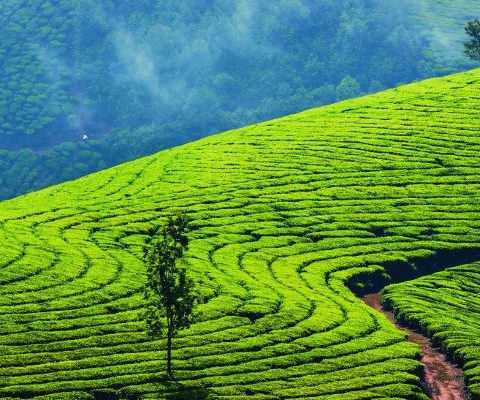
Tea
Take Stock asked Brian Yip of Wing Yip – the UK’s leading Chinese food and drink specialist – for his suggestions on what drinks to serve alongside Chinese dishes.
Tea is huge in China, so different teas always accompany Chinese dishes – and of course the New Year Celebrations.
Pu-Erh
A black tea, which is known for its digestive benefits, making it a popular drink during or after large meals. Pu-Erh’s deep, earthy taste is great for pairing with higher fat dishes like Chinese dumplings, pan-fried foods and stir-fries. Drunk hot, it’s probably the best tea for cutting through any greasy aftertastes.
A word of warning – Pu-Erh is an acquired taste that takes on a slight mustiness when brewed. However, to many Chinese it’s ‘the wine of teas’, as it ripens with age, so older is better.
Chrysanthemum tea
This herbal tea is a great choice for those wanting to be caffeine free, as it’s made exclusively from flower blossoms. The taste is mild, the colour light yellow and it has a gentle fragrance that kids seem to like as much as adults. Chrysanthemum tea goes really well with seafood-based dishes and light desserts, as the tea’s fragrance isn’t overpowering.
Oolong
Lying between black and green tea, oolong is a big Chinese favourite, complementing almost every kind of dim sum, as well as saltier and spicier meat dishes. It also works really well with fruits and desserts. A beautiful coppery colour, oolong has deal depth, and a taste that virtually all tea drinkers will appreciate.
Green Tea
A fabulous palette cleanser, green tea is an ideal drink between courses. It’s also great for cutting through greasy aftertastes, so an ideal alternative to offer those who don’t like Pu-Erh’s earthiness.
