The off-grid castle cafe
Chef, marine engineer, ferry-boat skipper and catering expert – Castle Custodian Jason Crane admits he’s living the dream.
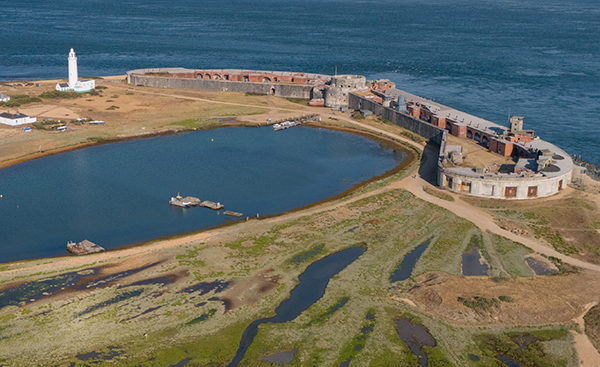
Jason combines all four of his passions to manage a garrison fort, built on a spit of land by Henry VIII in 1541 to protect England from marauding enemy ships. His family is as much a part of Hurst Castle’s history as the charismatic king and the soldiers who manned its guns during World War Two. The link stretches back to the 1950s when the army left and the Castle – strategically placed in the Solent between Hampshire and the Isle of Wight – fell into the care of Jason’s grandad.
Family footsteps
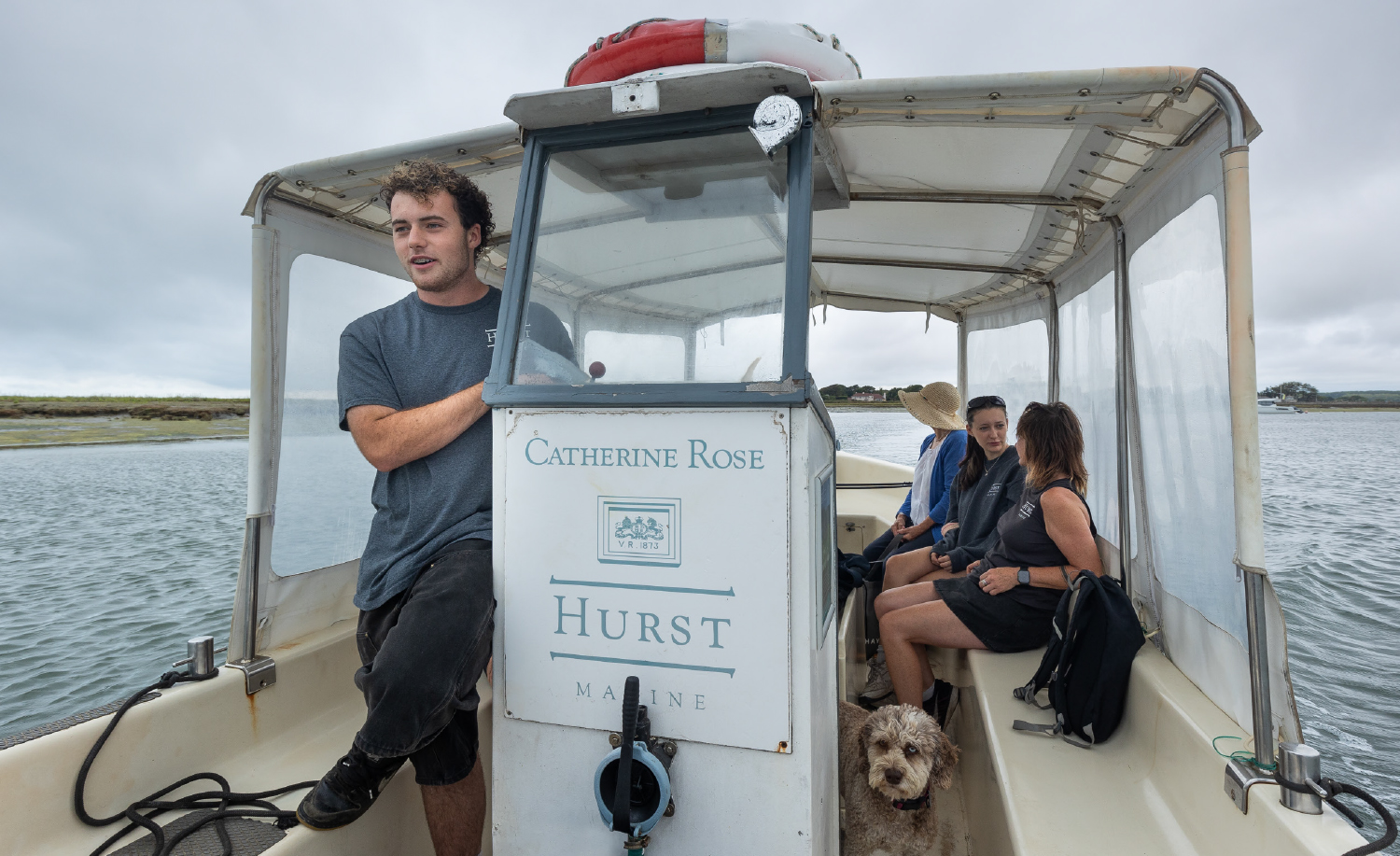
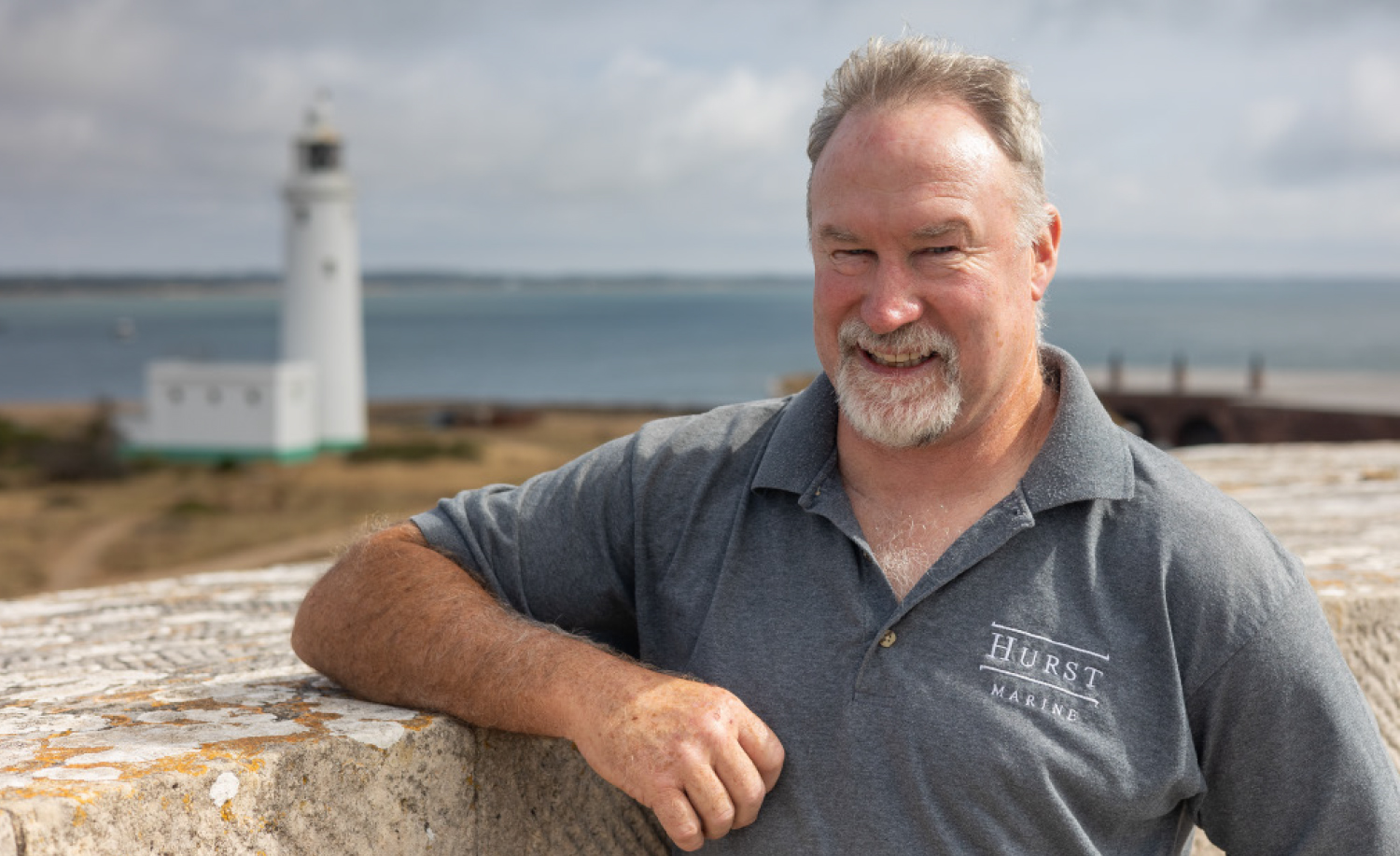
It’s such a lifetime passion that Jason (left), also Hurst Point Lighthouse Attendant, has had an extension built on his home on the ‘mainland’ so he can see the light from his bedroom.
“My wife thinks I’m a bit obsessive, but I just love everything about the place,” jokes the Director of Hurst Marine, entrusted by English Heritage to run the site since 1993 when his father stepped in to save it from closure against a backdrop of funding cuts.
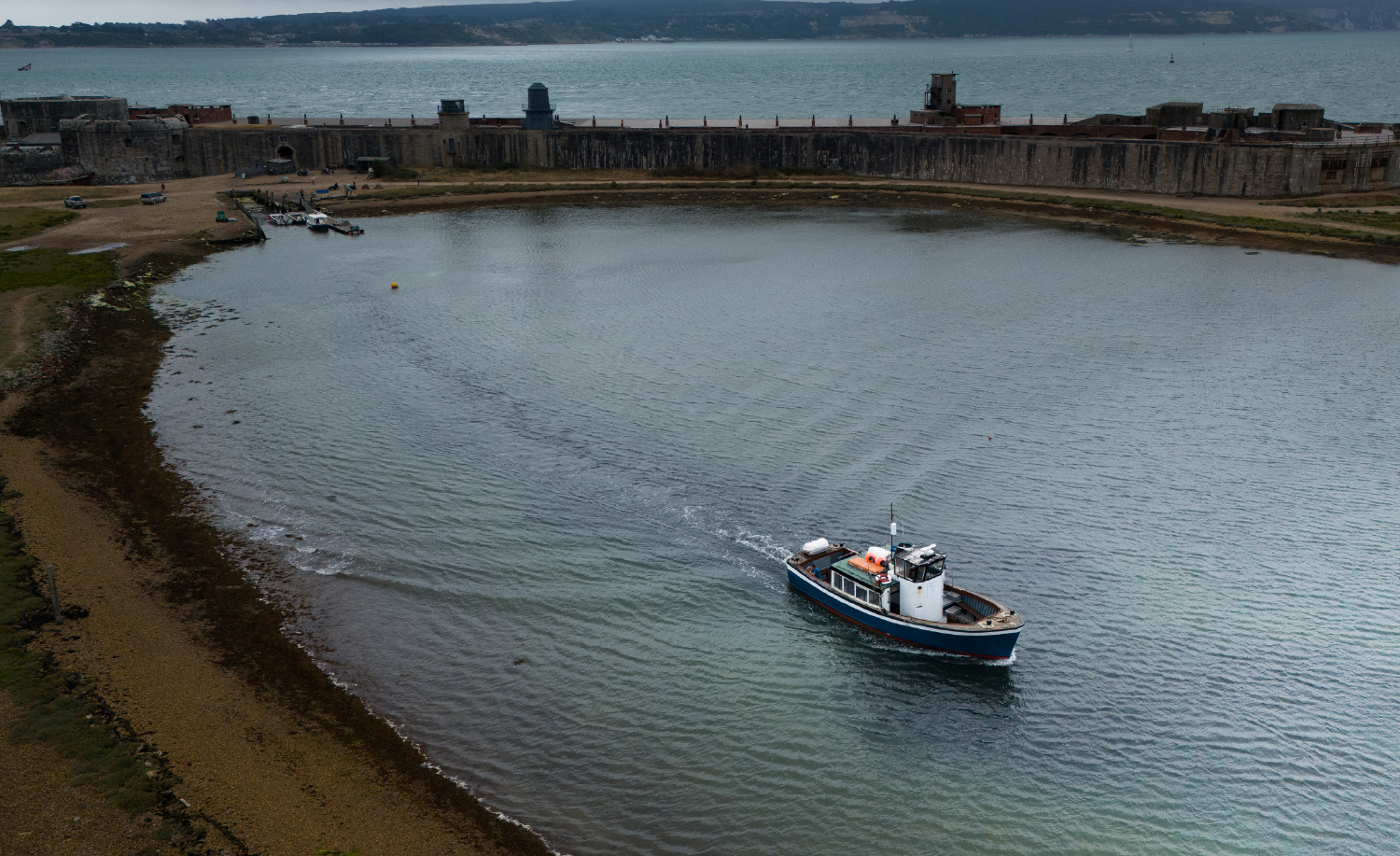
Up to 1,500 people a week make the short ferry trip or longer walk along the shingle from Milford on Sea to the landmark, which has no running water or mains electricity.
So it’s impressive that the garrison, surrounded by seals and the occasional dolphin, became renowned locally for its fine dining catering events – and the best cake in the county.
Coffee is critical
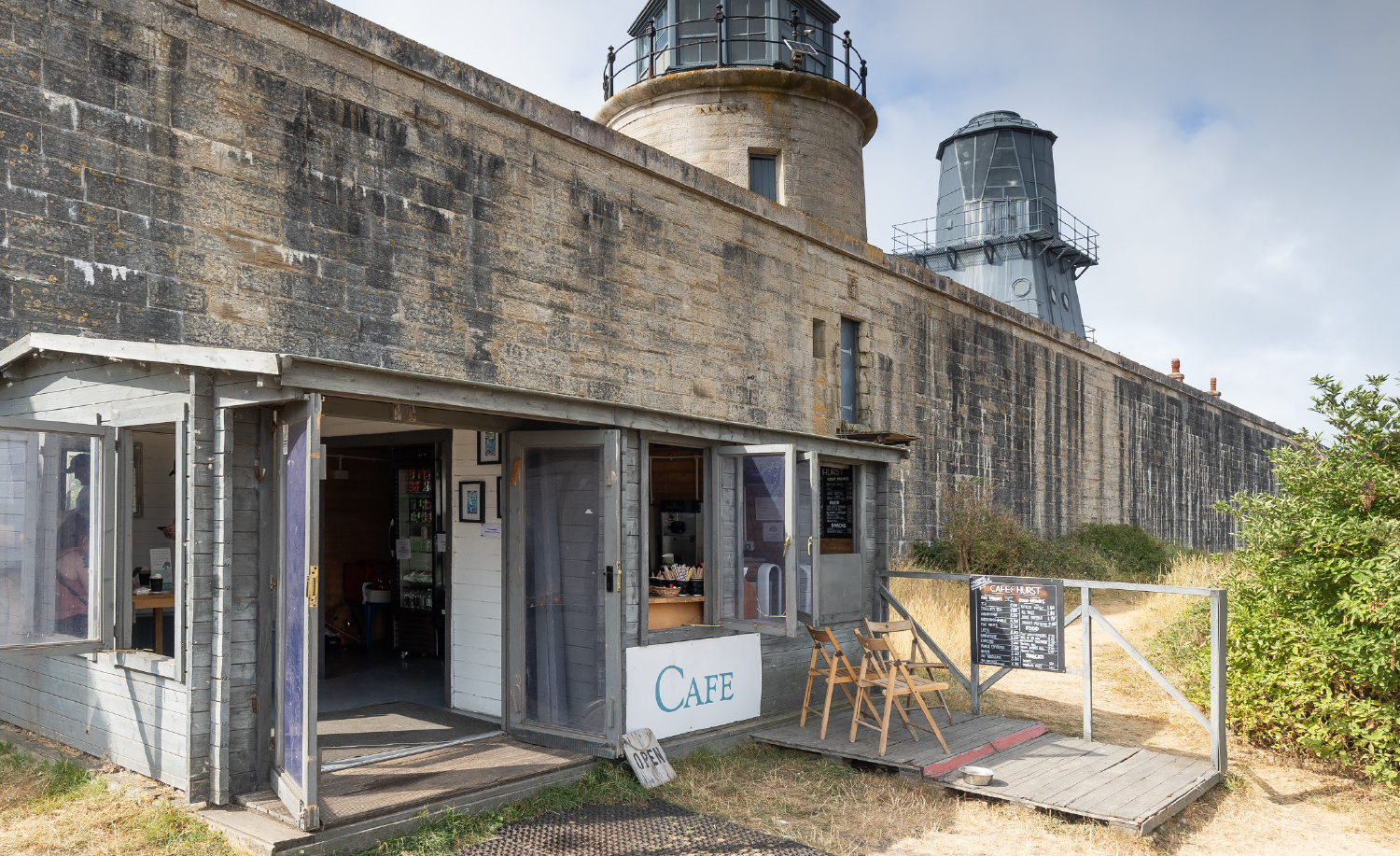
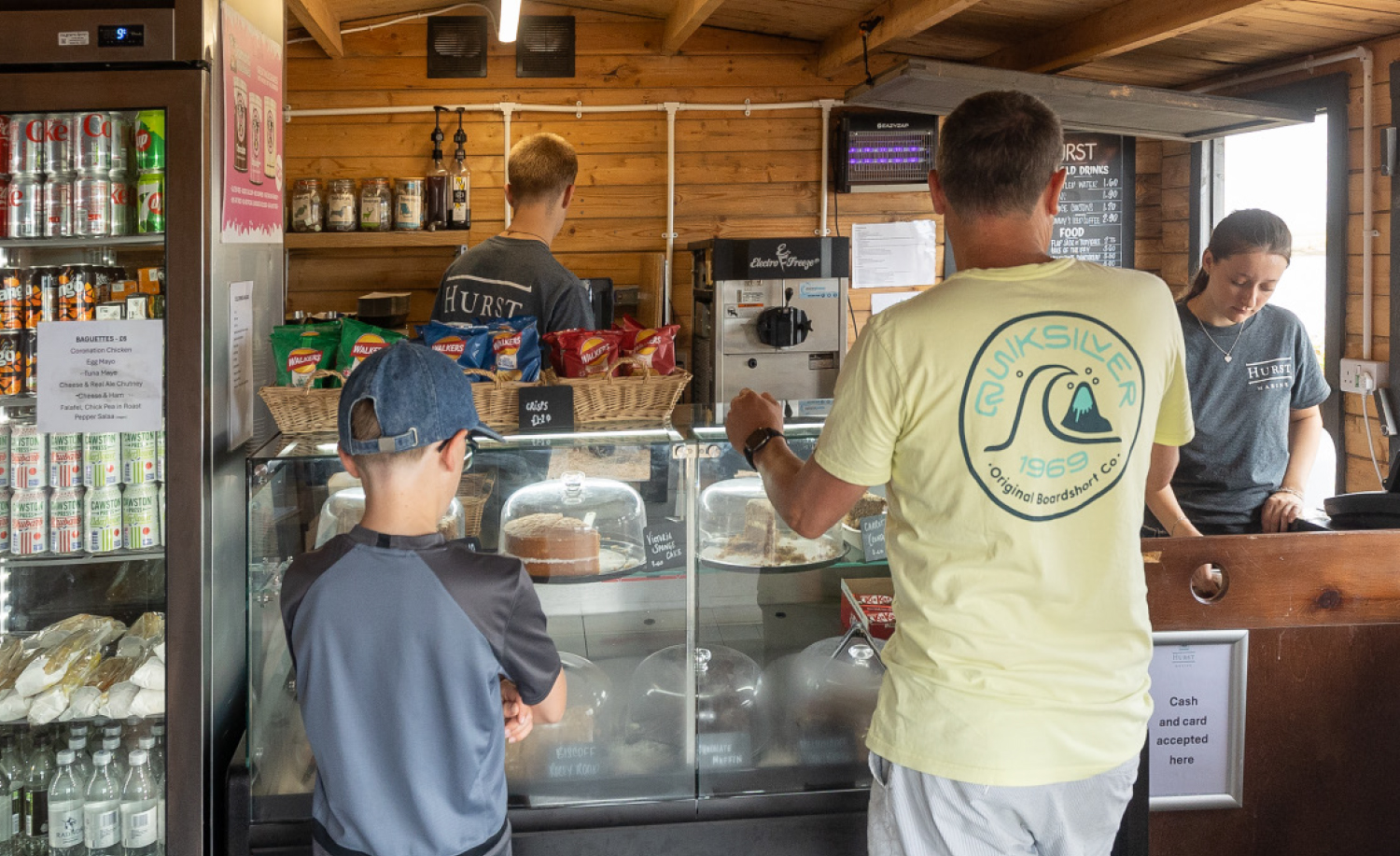
Many head straight for the cafe, where high-grade instant coffee is served via machine that ensures rapid delivery of flat whites and cappuccinos to keep the queues moving.
Coffee aficionado Jason says: “We did have a bean-to-cup machine, but when you have a lot of people arriving suddenly it’s quite time-consuming, so we had to compromise.
“Getting the coffee wrong is unforgivable so we sell the highest-grade machine coffee and the best instant – both paired with high-quality milks – as back-up if the machine or generator fails. Compromising and keeping it simple isn’t admitting defeat… it’s finding a smarter way.”
Price fairly
That’s a philosophy central to the success of the venue, which turns margins that can nudge £1,500 a day when it’s busy. The father-of-two is quick to add: “It turns a profit, but we never ramp up the prices because keeping them fair ensures the longevity of your business.”
“The catering side’s mindset has to be that of a marquee on a greenfield site,” adds Jason: “This is a unique location for a cafe so you have to run it, ironically given the history, like a military operation.”
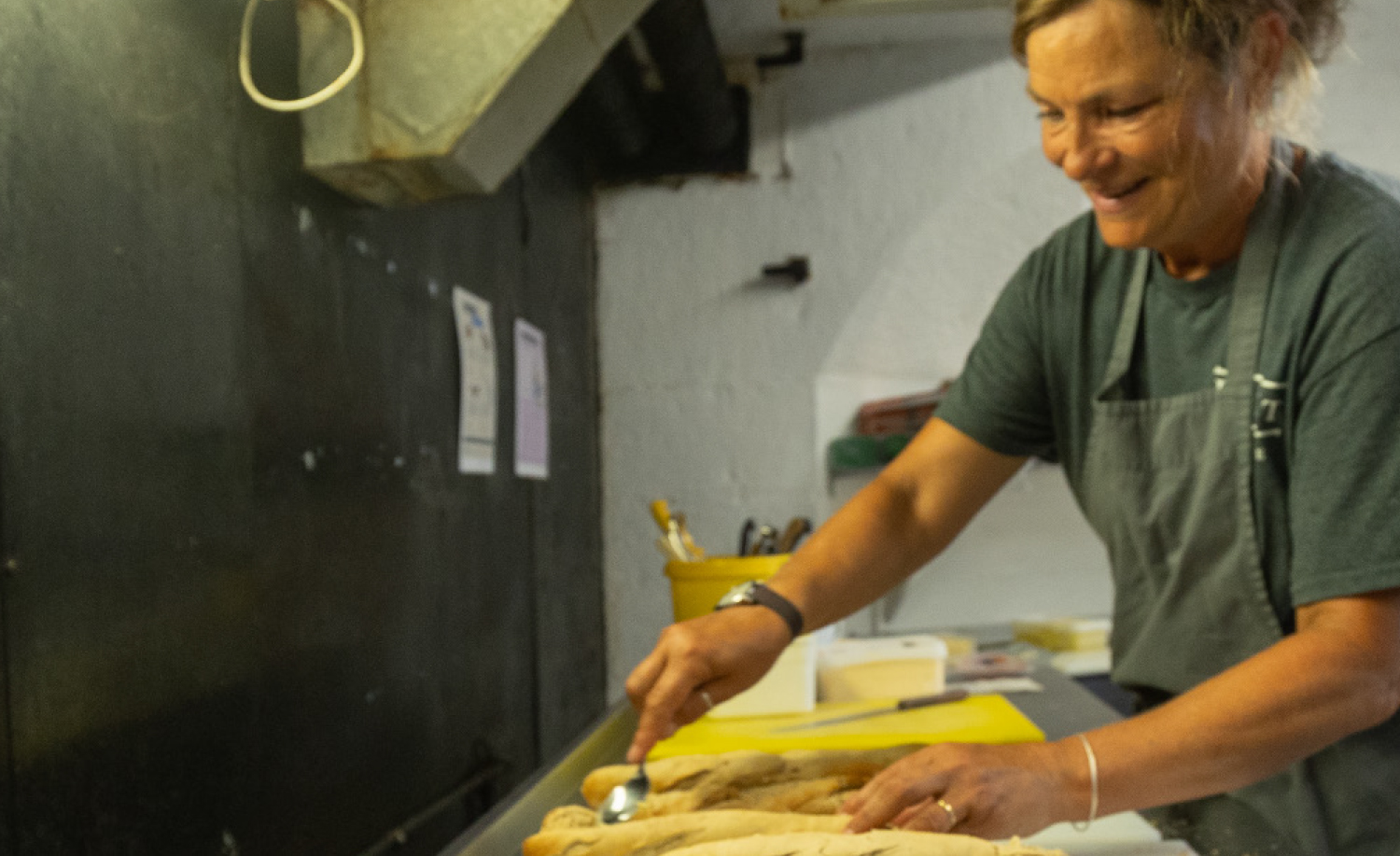
Baguettes and sausage rolls, traditional and vegan, are freshly baked to tempt new arrivals, who can also pick from a selection of cakes that include gluten-free options.
Making it work – against the odds
“We used to have a lovely quaint and refined English tearoom people would visit just for a slice. We hosted 120 cover dinners, weddings and corporate events, even though we were, and still are, completely off-grid,” says Jason.
“Chiller trailers kept the food fresh for medieval banquets and hog roasts, with everything prepared from scratch on site by three chefs.” The tight-knit team of 10 and seasonal volunteers once ran a birthday lunch for Antonio Carluccio, who sent his chefs from London to learn how to forage with Jason and his father Sean.
Then everything changed in 2021, when a large section of the 19th-century East Wing wall close to the main dining areas collapsed due to coastal erosion.
The damage to areas where soldiers in charge of the two anti-aircraft guns protecting nearby naval ports of Southampton and Portsmouth slept and ate, forced a major rethink of the catering side of the business.
Plan for the worst
The food and drink proposition has now become a simpler, less complex operation from a sympathetically built outlet outside the Castle’s walls. Customers still love the wide range of snacks including sausage rolls and baguettes loaded onto a boat or 4×4 vehicle each morning, then cooked in the on-site kitchen.
“Logistically any catering business without running water or energy has to be on its toes with planning, so we try to make sure wastage is minimal,” says Cafe Supervisor Tori Hishon, who shares the role with colleague Esther David.
“It’s tough because factors like weather, a failed generator or ice cream machine breakdown can affect the operation, and you can’t just pop out to get more stock or find someone to mend them if you’re in the middle of nowhere.”
That’s a reality Jason admits might “freak many chefs out”, but it’s one he insists can be overcome with ‘worst-case scenario’ planning.
Constant analysis of sales patterns and how they link to the weather dictate how much food from suppliers Country Fare is readied for the following day’s trip across the water.
“Grey and overcast is ‘castle weather’ – if it’s hot, people go to the beach because it’s free,” explains Tori as the Solent Rose ferry drops off the latest wave of 80 visitors.
“This is a unique location for a cafe so you have to run it, ironically given the history, like a military operation”
Did you know?
During World War Two, bored soldiers stationed on the spit built a 150-seat theatre inside the castle to put on morale-boosting shows. Hurst is one of the very few coastal forts in Britain that remained in continuous, active military use from the Tudor era (1544) all the way through to 1956.
The castle inspired the fictional Kirrin Castle in Enid Blyton’s Famous Five adventure books.
Ferry feedback
He and Jo Adams, recently brought into the team to expand its marketing, regularly chat with the constant stream of customers to pick up feedback.
“We find out what’s popular and what’s not, what food and drink they liked and didn’t and we can do that while remaining incognito because they don’t know we’re not just another visitor,” she says.
It’s just one more part of thrill the Castle team get from the hands-on, ‘anything can happen’ nature of the operation.
Jo adds: “We do Halloween trails, Tudor Tuesdays, Wildlife Wednesdays and have historical events on Throwback Thursdays, but the castle lends itself to so many events, the potential is endless.”
Bringing back the glory days
His dream is to one day revive the glory days of English afternoon tea dates, lavish dinners and flamboyant weddings with bride, groom and guests arriving by boat.
But until the crumbling wall has been reinstated and English Heritage allows access to more of the venue, that’s just one more thing on Jason’s never-ending list of ambitions.
“I’d love to get it back to its former splendour and eventually I’ll add that to the long list of jobs I do here because I love the problem-solving and the buzz,” says.
“I know it would be a whole lot easier on the mainland with water and electricity, but it wouldn’t be half as much fun. And in any case this place has shaped me and my family, so it’s in my DNA now.”
Jason agrees: “Although the outside cafe was forced upon us by nature, I wouldn’t want to lose it now because it’s a first stop for everyone who climbs off the ferry to visit the castle.”
