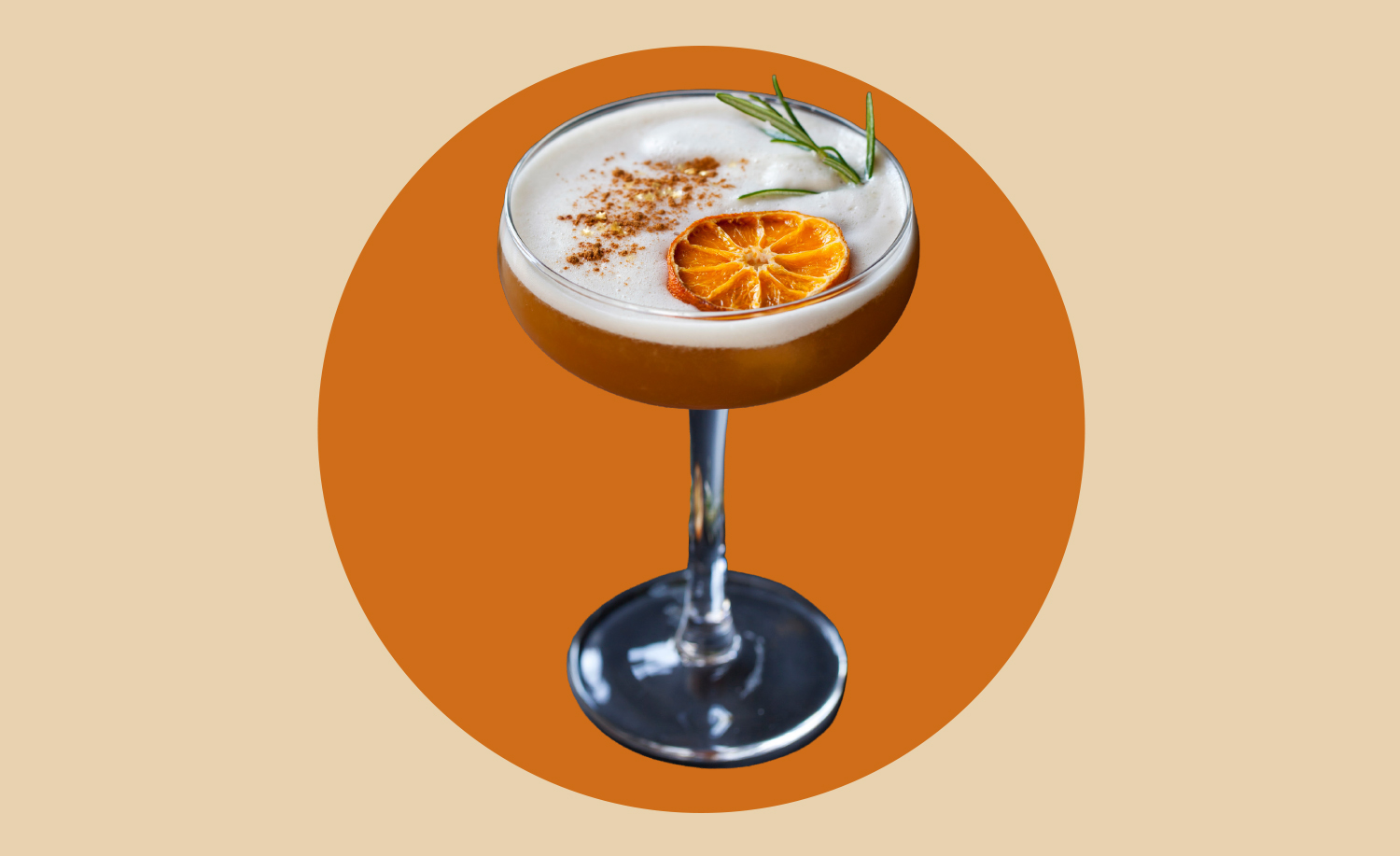
Liquid cooking: autumn cocktail tips
A leading mover and shaker in the industry for 21 years, the former pub barman, bar owner, brand ambassador and now Managing Director of Hedonist food and drink agency, shares his predictions for this autumn’s top tipples, as sultry summer nights slide away and customers’ habits change. Read Dan’s tips to drive your drinks margins as winter approaches.
The transition: make it a hard turn
Never overthink the seasonal change. Make it bold, make it a moment and make it delicious. A clear start point for a new menu is whether it’s operationally
efficient and you can make it work for you. Shout about the menu change and keep people coming back.
Mouthfeel and texture: new thinking
Summer drinks traditionally lean towards lighter, more refreshing textures – lots of liquid in long stem-based glasses, with carbonation delivering that crisp, thirst-quenching sensation. Winter is the time for richer, more warming textures, using elements like coffee, cold foams, dairy, thicker syrups and velvety mouthfeels to create a more indulgent drinking experience. Nitrous oxide has been established in craft cocktail bars as a premium beverage technique which is now becoming more accessible across different channels. We’re also moving into an era of the ‘architectured serve’ where temperature, texture, garnish and ritual matter as much as the liquid itself.
Redefining old favourites
Taking a drink everyone knows and creating a version so memorable that a customer who’s ordered five Espresso Martinis
on a night out still remembers yours specifically is invaluable. Use it as a hook to drive footfall, encourage food pairings and build word-of-mouth
no ad spend can replicate. A signature riff on a classic is one of the most commercially powerful tools any venue has.
Jazzing it up
The Espresso Martini shows no sign of losing its title as autumn and winter cocktail star, but ambitious venues
will use the traditional base of vodka,espresso and coffee liqueur as a canvas.
Consider:
• Amaretto for warmth and marzipan depth; hazelnut liqueur with a Ferrero Rocher garnish (we called ours the Headmistress, and it became a venue signature)
• Pumpkin spice executed with care; cinnamon and cardamom stirred into the base spirit
• Salted caramel to bridge summer sweetness and winter warmth.
Seizing cultural moments
The Aperol Spritz didn’t become a phenomenon through superior flavour science – it captured a moment, a feeling and a season.
Base your next big drink on a cultural moment. Keep it simple, comfortable and scalable – the biggest cocktails in the world are almost always the simplest.
Swicy: the hottest new trend
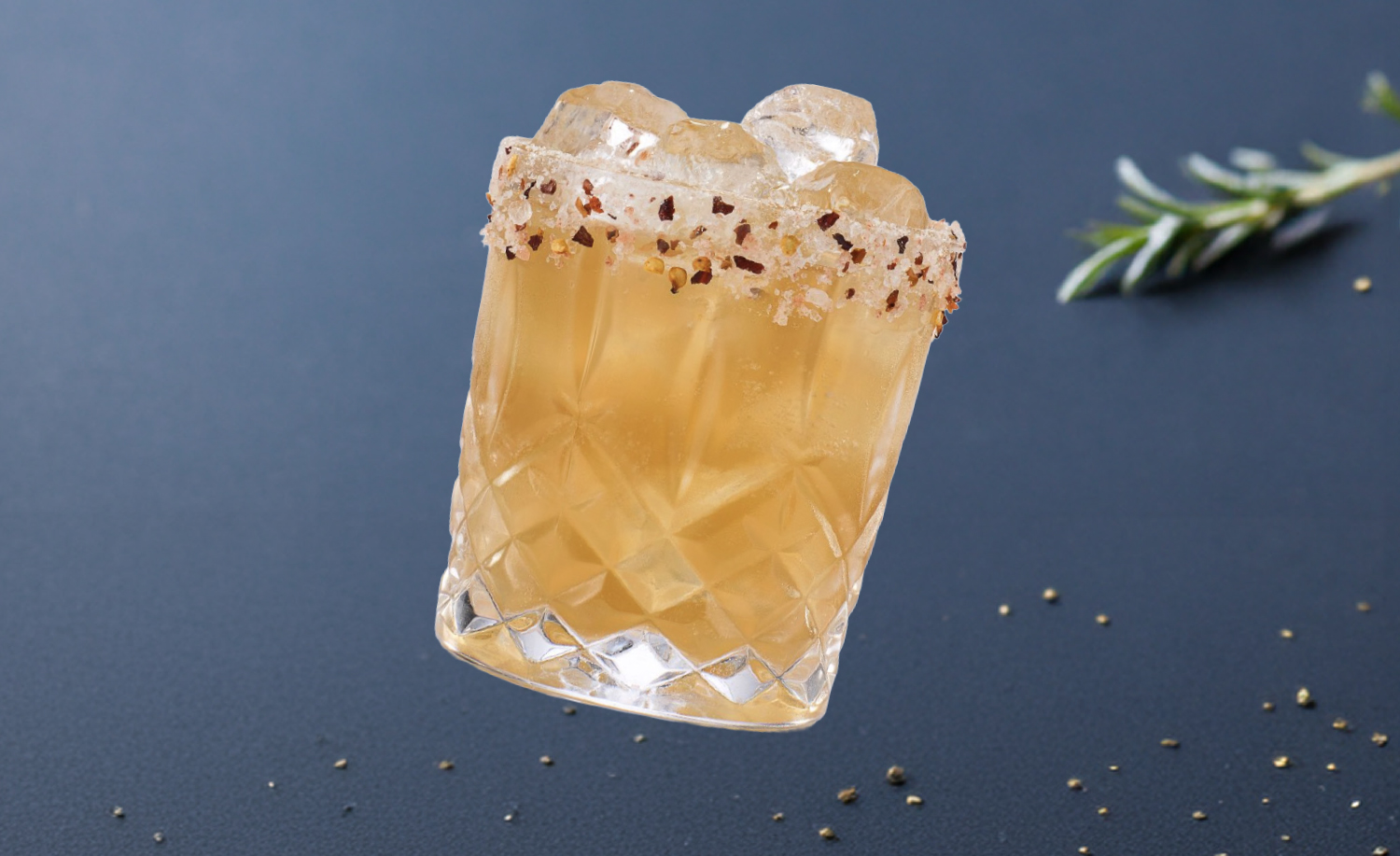
The sweet-heat combination has been building in food for years and is arriving in cocktails this autumn. Something combining spice and sweet – hot honey, spiced apple – will be big.
It satisfies the craving for warmth without the heaviness of a purely spirit-forward drink, and the theatre of a visible chilli garnish, smoked rim or honey drizzle drives social media shares.
Try the Mango Picante cocktail (left) or a hot honey bourbon sour where the heat blooms slowly through the sweetness.
Umami
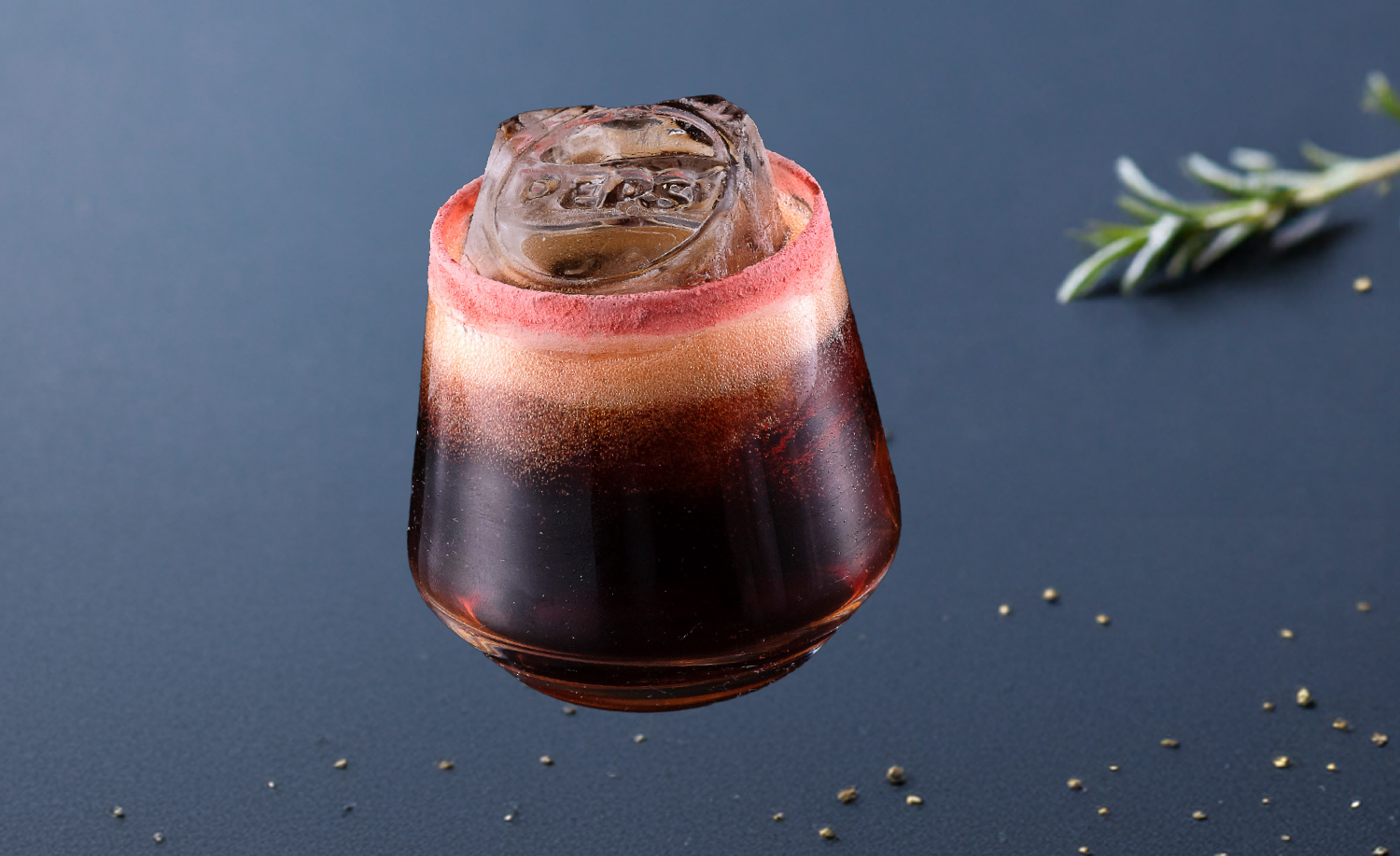
Venues that embrace the savoury fifth taste will be ahead of the curve. Umami’s flavour profile – featured in Pep-Soy (left), a cognac, curry and miso-Pepsi caramel cocktail – suits indoor environments, darker evenings and slow drinking occasions – think pickles, vinaigrettes and bitter notes with aged spirits.
Botanical and functional
Rosemary, pine and thyme will find their way into spirit-forward serves this autumn. We’re also seeing functionality emerge in the shape of collagen and tea elements with positive health factors, particularly in the premium non-alcoholic space.
”It’s NOT a mocktail“
Mock is a negative word and the name matters commercially. Creating a great cocktail with or without alcohol involves the same thought process, craft and dedication. Older generations still link value to alcohol content, but millennials and Gen Z are moving firmly towards the non-alcoholic space.
In five to ten years’ time, when those consumers have greater disposable income they’ll be looking for non-alcoholic moments. Venues that are not taking this seriously now are building for the wrong future customer.
Become a drinks architect
Beyond the liquid itself, four elements determine whether a drink truly succeeds:
• Garnish – engages the senses before the first sip
• Glass changes the experience completely – summer’s long stems give way to shorter, heavier autumn glassware
• Ice is underestimated – it preserves balance, creates texture, elevates presentation
• Ritual – is there a reason to watch this drink being made? The ritual is the theatre, and the theatre is the price justification.
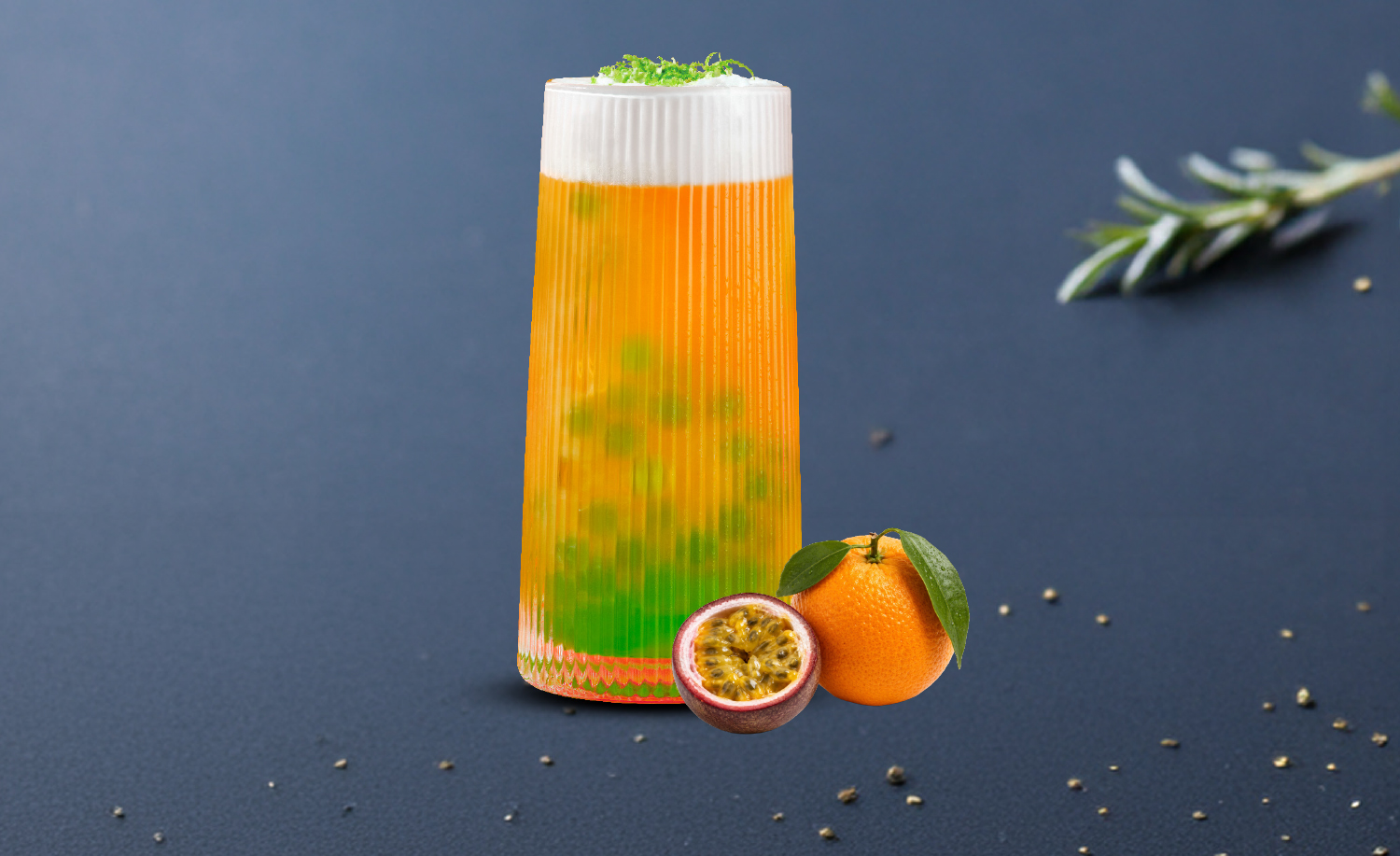
Why not try our Orange and Passion Fruit Whip?
