Top Food Trends Shaping Hospitality in 2026
Food trends have a habit of creating a whirlwind in the industry until they’re seemingly swept away in the blink of an eye and replaced with the next. That doesn’t mean to say that they don’t leave a lasting taste though…
The first trend (if you can call it that) that springs to mind is avocado. What used to be misunderstood as a bland and uninspired veggie was unmasked as a versatile superfood, perfect for bougie brunches with a slap of scrambled egg.
This ‘trend’ is a far cry away from the viral ‘stunt food’ videos you’ll see circulating social media. In fact, this perfectly supports our claim that the trends worth keeping an eye on are not necessarily the ones that make the biggest splash on entry, but are backed with genuine merit.
Across restaurants, hotels, pubs, events and contract catering, guests are looking for food that feels enjoyable, interesting and relevant to the way they live now. Whether that’s an adaptation of a recipe they’ve seen online or something that more directly supports their health goals. And, amidst the cost-of-living crisis, they’re also much more conscious of value.
These factors are pushing hospitality towards menus that are more flexible, experiences that feel more personal and dishes that offer something beyond simply filling a plate.
We’ve picked these four food trends that stand out.
1. Plant-forward, not plant-only
It feels like not so long ago that talking about plant-based food immediately brought subpar meat substitutes and overly basic vegan menus to mind.
But, over the last couple of years, the vast selection of delicious veggie and vegan-friendly recipes have overturned this taboo in an impressive fashion. This has created an opportunity that restaurants are plunging their knives and forks into, literally bursting at the seams with inspiration.
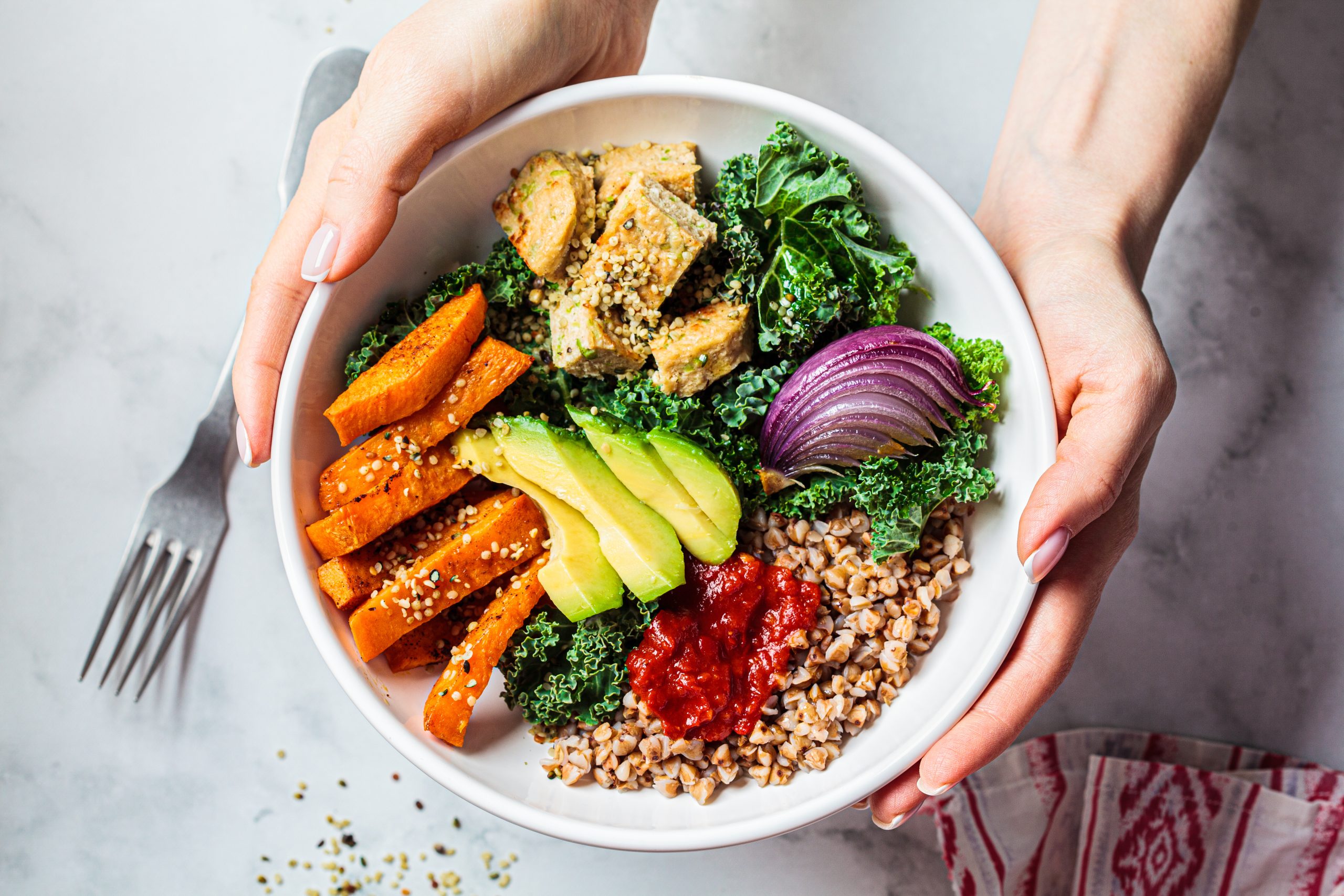
This opportunity is ‘plant-forward’ eating – making vegetables, grains, potatoes, mushrooms, nuts, and other plant ingredients a larger and more natural part of the menu without asking guests to force themselves into a vegan or vegetarian mold.
UKHospitality’s 2026 report points to exactly this shift, with diners helping to make plant-forward dishes a more structural part of foodservice. For chefs, the interesting part is exploring new culinary challenges and creating dishes where the plant ingredients are able to stand on their own… without customers realising it. Essentially creating a mushroom risotto listed at the top of the menu that’s chosen for its exceptional balance of flavours and not because it sits under the ‘vegetarian’ section.
There is, of course, a commercial factor, which highlights how versatile ingredients such as potatoes, nuts and vegetables can work across multiple dishes, helping kitchens manage both cost and time.
In short, exploring a plant-first menu could be the most modern way of enticing customers who are looking for healthy yet exciting dining experiences, whilst also simplifying things in the kitchen and cutting costs on expensive cuts of meat or excessive waste.
2. Exploring Global Flavours & Cooking Techniques
This might be another one we have to thank social media for. The popularity of asian ‘mukbang’ content and the ever-growing number of stay-at-home chefs whipping up delicious yet surprisingly simple overseas recipes has helped unlock a new level of experimentalism amongst culinary creatives.
It’s no secret that chefs borrow techniques and ingredients and ideas from different cultures, often merging them together to create ‘fusion’ dishes. What’s changing is the speed at which those influences move through mainstream dining – and the confidence with which people are trying them.
In 2026, exploring global flavours means sticking the outdated “world food” section on a menu in the bin and using flavours and techniques from different cultures to create new and interesting combinations.
With this in mind, it’s important to still offer familiarity, as this can act as the safe backbone of the menu, allowing chefs to be adventurous with other offerings, creating a nice balance that doesn’t alienate a core customer base.
That balance also helps explain why global flavours work particularly well with plant-forward menus. Vegetables, grains and pulses provide a neutral canvas for spices, sauces, pickles, herbs and cooking techniques.
One important thing to note when exploring cross-cultural cooking? It works best when chefs understand the traditions they are borrowing from rather than simply taking a familiar dish and attaching an exotic-sounding name to it.
For hospitality businesses, that can mean working with chefs, suppliers and producers who have genuine knowledge of a cuisine or region.
3. Gut-friendly foods
Perhaps the most modern of these food trends is the focus on fermentation and putting gut health high on the priority list. In fact, many dishes, especially asian fusion, incorporate many familiar foods that are gut-friendly
Bread. Yoghurt. Cheese. Pickles. Kimchi.
The ‘trend’ here is the changing visibility of fermentation on menus and the way chefs are using it as both a flavour tool and part of the wider interest in gut health.
Fermented foods add acidity, depth and complexity to a dish, transforming what can be a simple 3-ingredient meal into a tasty delight that gives your body a pat on the back… or gut.
Although a huge factor, fermentation isn’t just about wellness; it’s about creative cooking. We’re talking about using miso or koji to add depth to sauces and marinades. Using pickles in bar snacks – all approachable ways to introduce the idea without turning the menu into a health-food catalogue.
It’s important, though, to know there is a difference between saying a food is fermented and also making specific health claims about it. Hospitality businesses need to be careful not to overpromise what particular foods will do for someone’s health.

4. Protein-forward indulgence
It’s easy to get the impression that the fitness community’s obsession with protein is nothing more than a fad. But protein, as an essential macronutrient, has moved well beyond the gym.
It’s a growing part of the everyday food conversation, now a staple in breakfasts, snacks, desserts and casual meals. Consumers are looking for food that provides enjoyment but also has a practical nutritional benefit.
This makes for an interesting challenge for the hospitality industry… or opportunity.
Shaping what could be conceived as a basic or boring meal into a health essential through the inclusion of protein is something that many restaurants and food brands are benefiting from right now. However, that in itself creates a hugely over-saturated marketplace with many dud products that tag unnecessary fats and a ton of sugar onto what’s seemingly a simple ‘packed full of protein’ tag.
Recognising this, many consumers are turning away from these products and leaving overpriced heavy-protein meal deals on the bench and exploring natural ingredients through homemade recipes.
Restaurants now have to provide clearly healthy meals with protein as a focus, without getting carried away with the protein buzzword and slapping a ridiculous price tag on it.
Fortunately, there are many restaurants that do this and have superseded a simple ‘high protein’ claim to create delicious dishes on the daily.
What connects these food trends?
At first glance, these trends can seem like four very different ideas. But they share one common theme:
People want more choice without more complication.
They want food that suits different and modern ways of eating, with nutrition not coming at the cost of flavour. They want to spend money on experiences that feel worthwhile, especially with so much readily available tuition on how to recreate incredibly tasty recipes at home.
For hospitality operators, it’s about making your existing offering smarter and more flexible, moving with the times without forgetting what the past has taught us.
