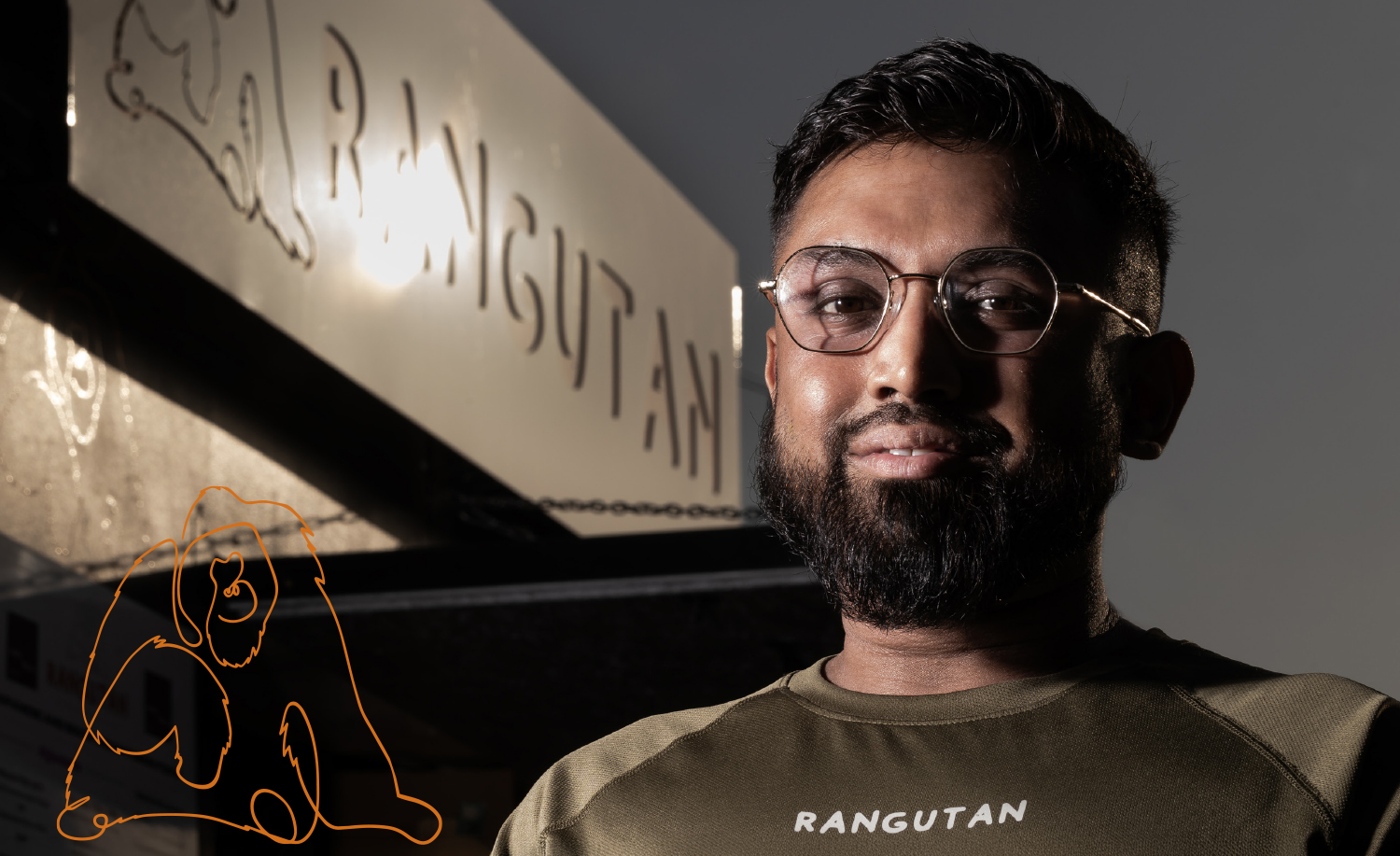
Drive-thru with a difference
Kami Hussain was handling sales and marketing for a deep-tech data analytics business in London when a work trip to Japan changed his life
The university graduate had been sent to the Far East to learn how his firm’s collision prediction technology could be added to car software to prevent road accidents.
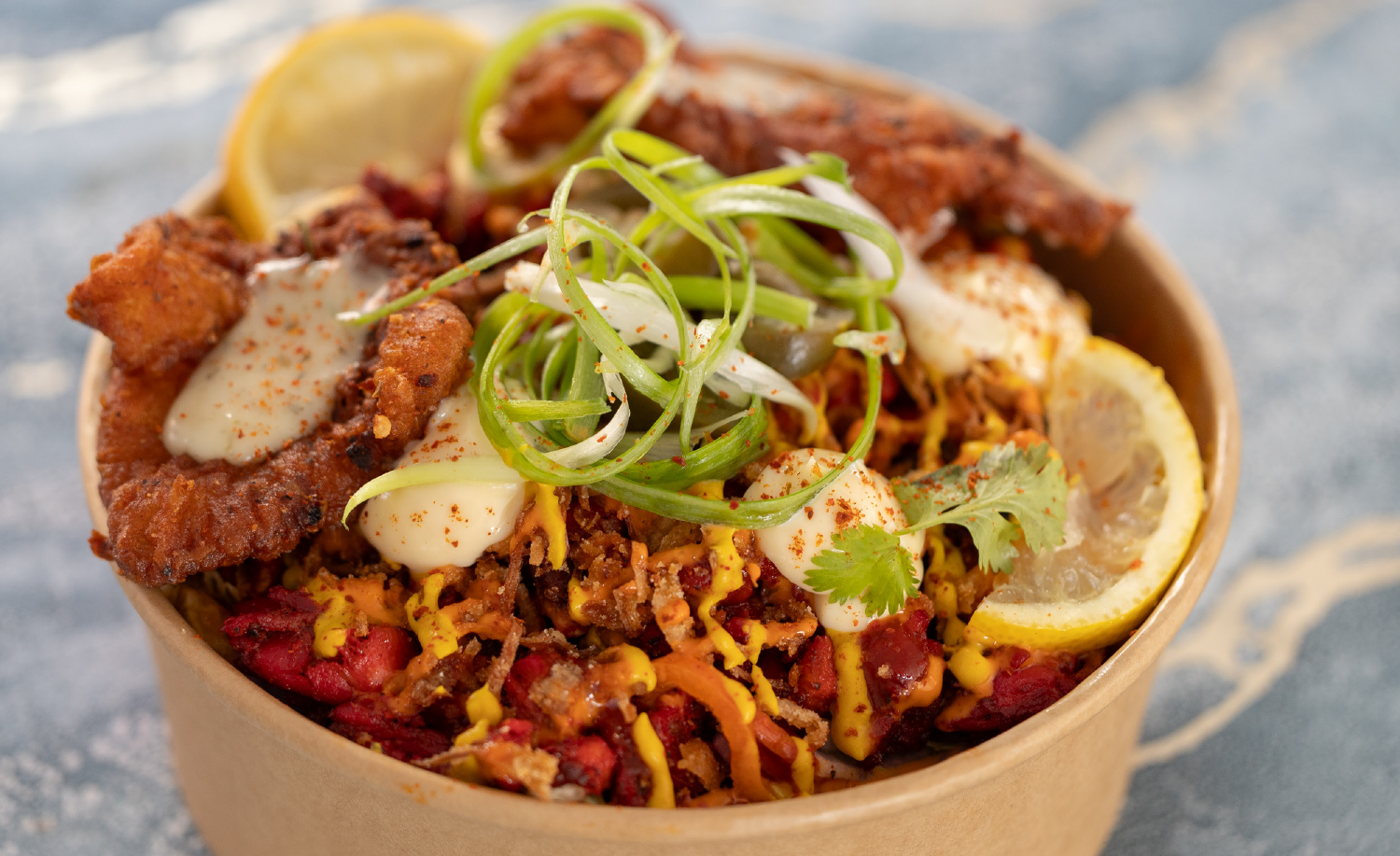
Instead he returned with a notebook of recipes for purple Japanese sweet potato crème brûlée, spicy botanical cola and karaage fried chicken.
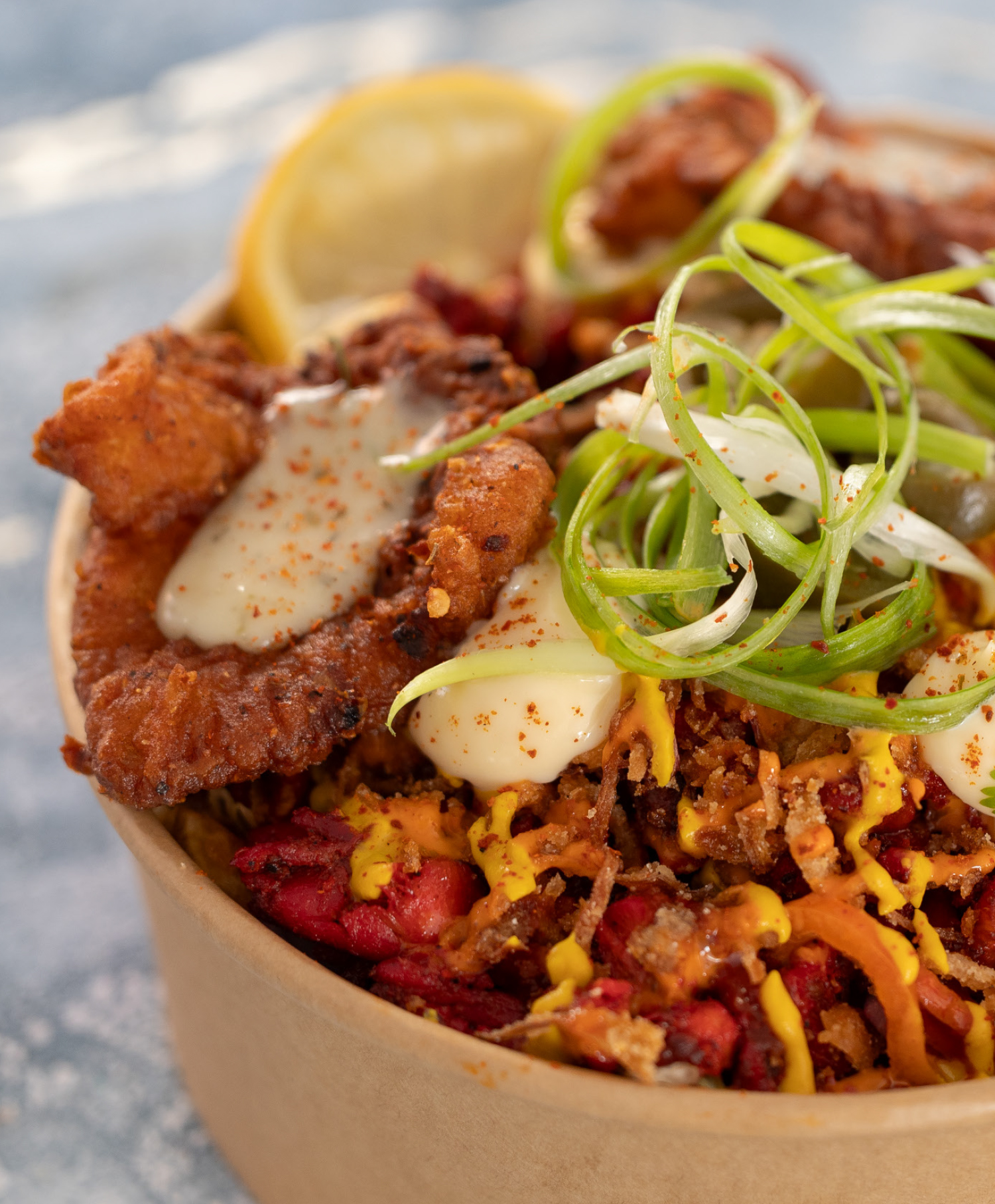
A year on and he’s turning his passion for creative food into reality with a Japanese and South Asian fusion menu he believes is unique in the UK.
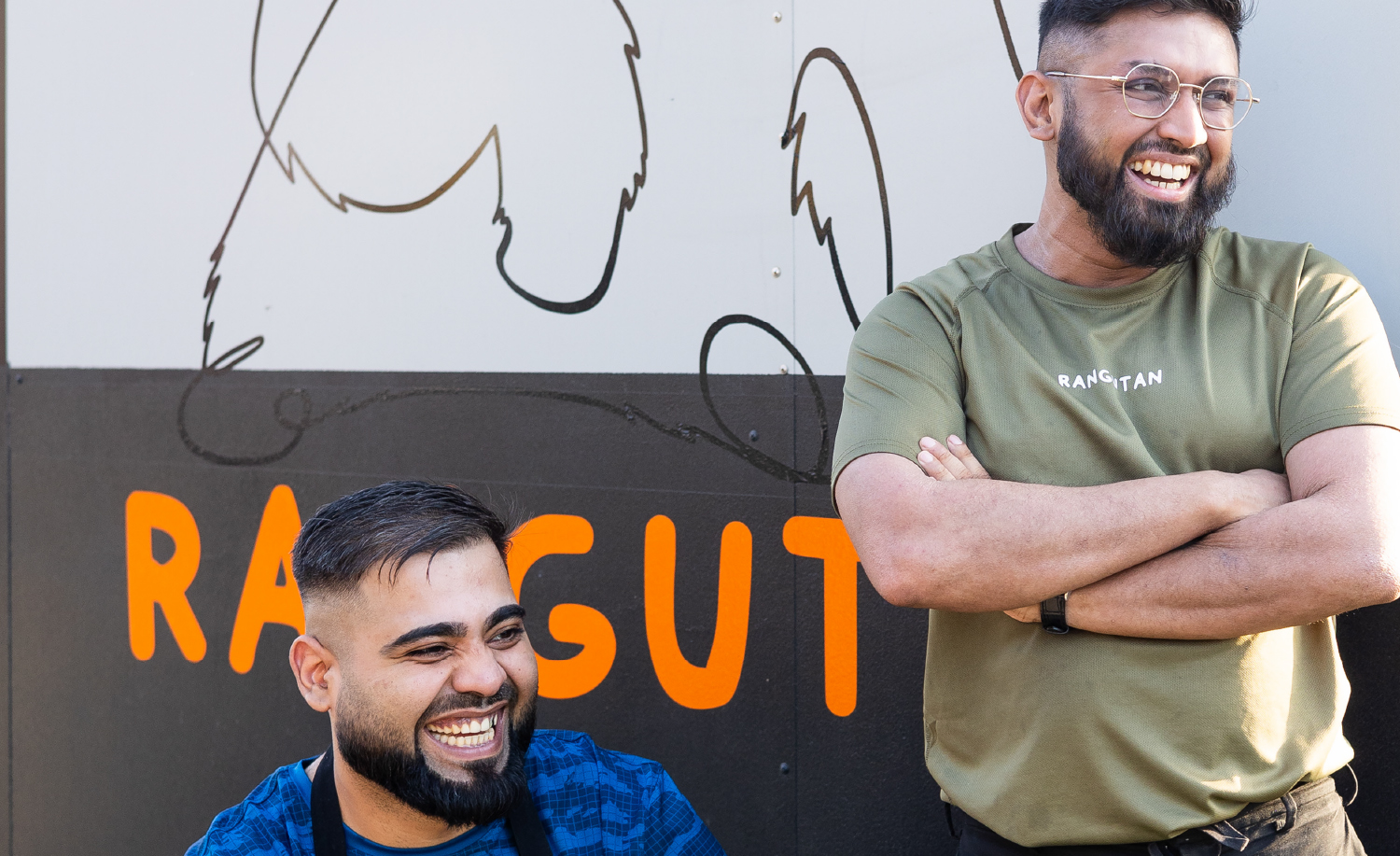
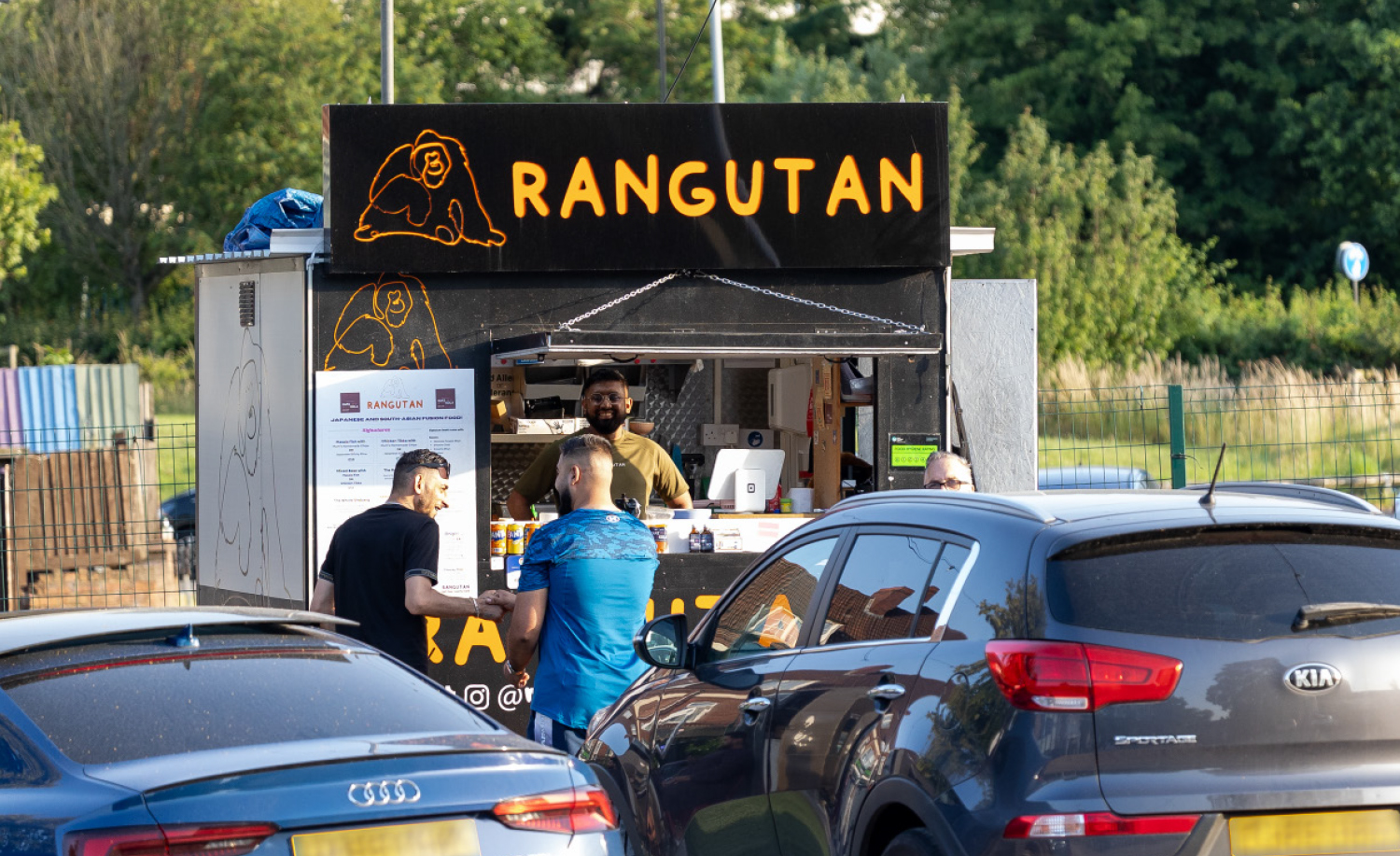
He and business partner Sam Hussain, childhood friends from nursery school, are starting small with a truck at a drive-thru food park close to home in their native Birmingham.
“Sam loves chatting to customers and giving a great experience, while I’m the more business and product-minded one,” says Kami.
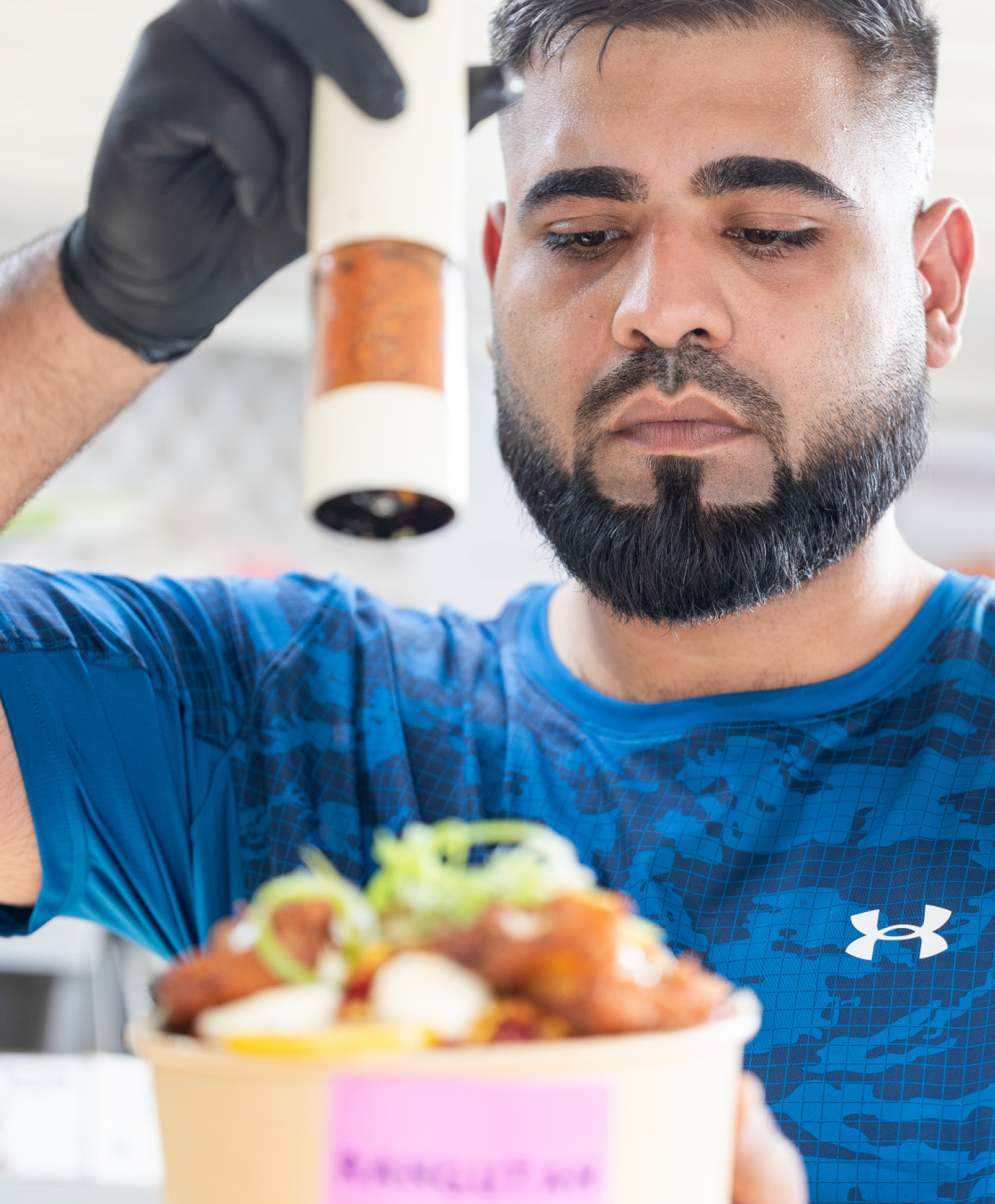
From banter to brand
The 29-year-old pair, decided on the venture after a boxing session at the gym, but it had been bubbling away in their minds since leaving secondary school.
After seven years in London, Kami’s business experience and Sam’s background in hospitality at his parents’ fish and chip shops in the city finally combined to form the Rangutan brand.
“It started as banter. We’re best mates. He’s a lot bigger than me and like a big primate so I was always calling him names – so the brand came from the endearing orangutan,” explains Kami.
Stack your selling points
“We get along well and the timing felt right, but we wanted to start small and lay down strong foundations. The best, most sensible way to do that is to stack up your unique selling points.”
It wasn’t always like that. The pair originally wanted to sell Japanese-inspired jacket potatoes, but another vendor at the Tyseley venue was already selling spuds.
That forced Kami to come up with something that hadn’t been tried before. “We essentially invented our own cuisine, but the menu never stands still,” he says.
Test, finesse and replace
He adds: “We’re always testing, finessing and replacing the menu so customers are surprised and delighted by new dishes and ideas. A big part of the creative fun of being innovative is seeing the smiles on customers’ faces as they try something new.”
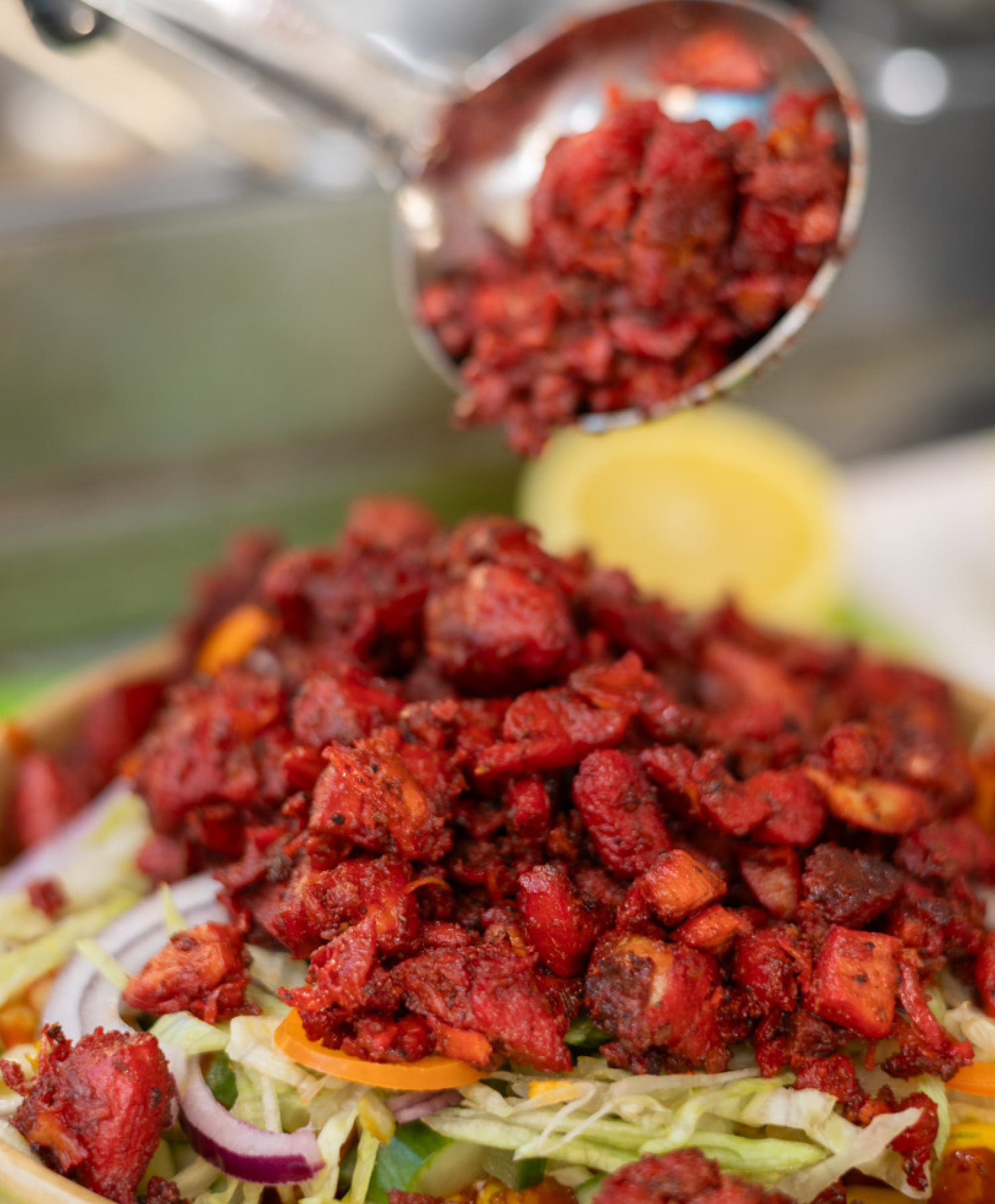
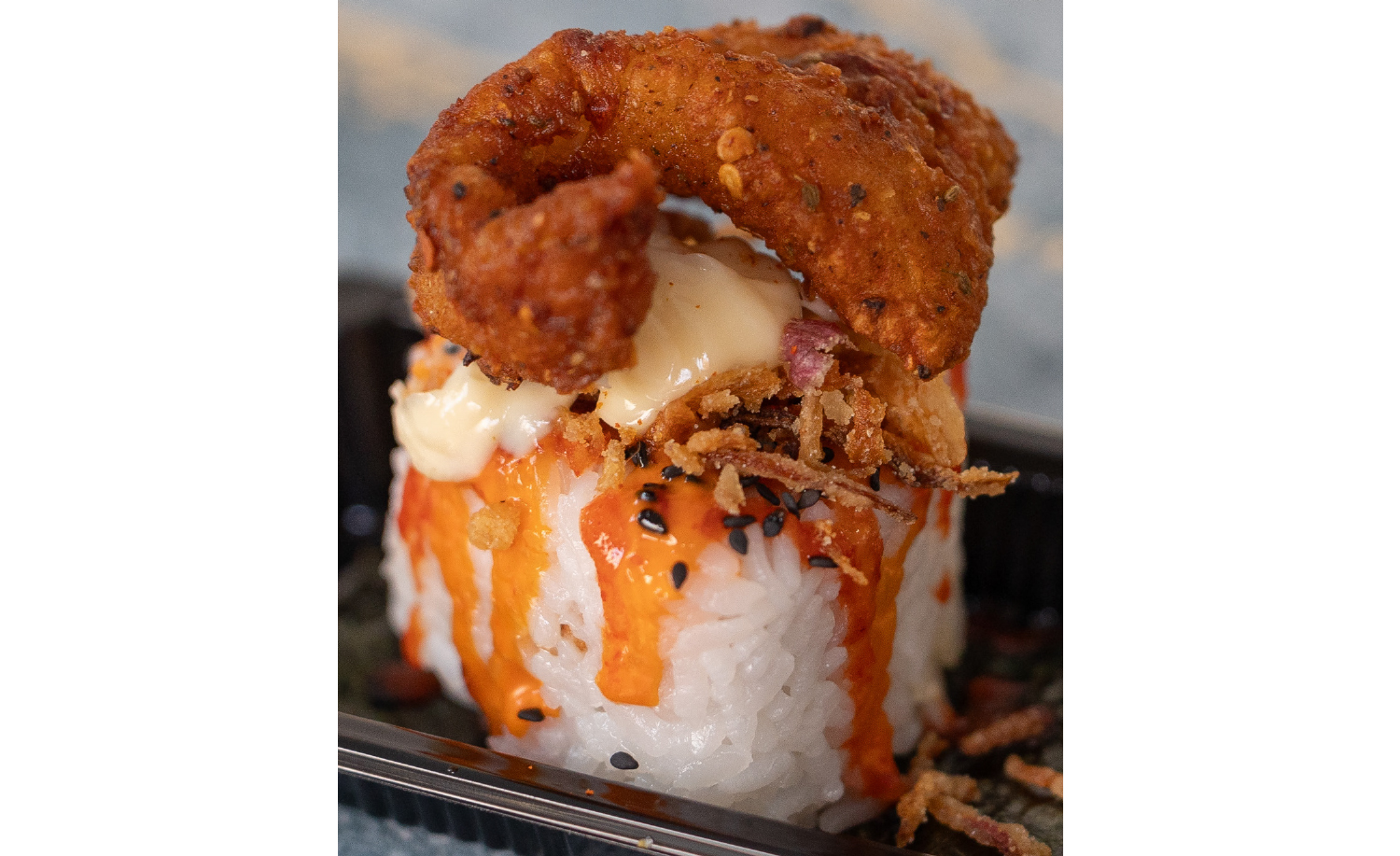
Rangutan’s small but increasingly popular menu is updated each quarter, with signature creations including chicken tikka sushi, masala fish onigiri and a range of original fusion dishes… all developed entirely in-house.
Get things wrong and learn
In the first year Kami and Sam developed and produced items that didn’t make the menu, but Kami insists: “I like experimenting and getting things wrong because good usually comes from it.”
A summer creating a rectangular Japanese rice ball with seaweed and mango on top with a coconut purée proved too hard to make in the heat. A winter trial of a mango sushi led to a mango sticky rice – a closer link to the founders’ South Asian cultural roots.
Kami says: “Essentially we’re self-cannibalising our own menu to stay ahead and get things right. Even if people copy us, they can’t copy our creativity so we’ll always be one step ahead.”
Make premium pricing work
In an industry where success often depends on selling high volumes at low prices, Kami is proudly and defiantly taking the exact
opposite approach.
“We have indoor and outdoor seating areas where people can eat, but the drive-thru concept means you’re at the mercy of elements including the weather, so footfall can be unpredictable,” he says.
“We’ve gone for a model of high-quality ingredients and good value in terms of portion size, at a price that’s slightly more premium because people don’t mind paying a little more if they are guaranteed quality and originality.”
It works. On a good night they take 60 orders – around 15% online – in just a few short evening hours, with some customers spending up to £80 for Rangutan’s starters, mains, drinks and desserts for the whole family.
Kami adds: “Customers willing to pay a premium make decisions quicker and they’re more likely to buy our drinks and desserts. We won’t compromise on high-quality ingredients and that brings people back to you. “There’s also the fact that if your prices are higher you don’t need large numbers of customers to make the business work, as long as the quality is consistent.”
Have fun with your customers
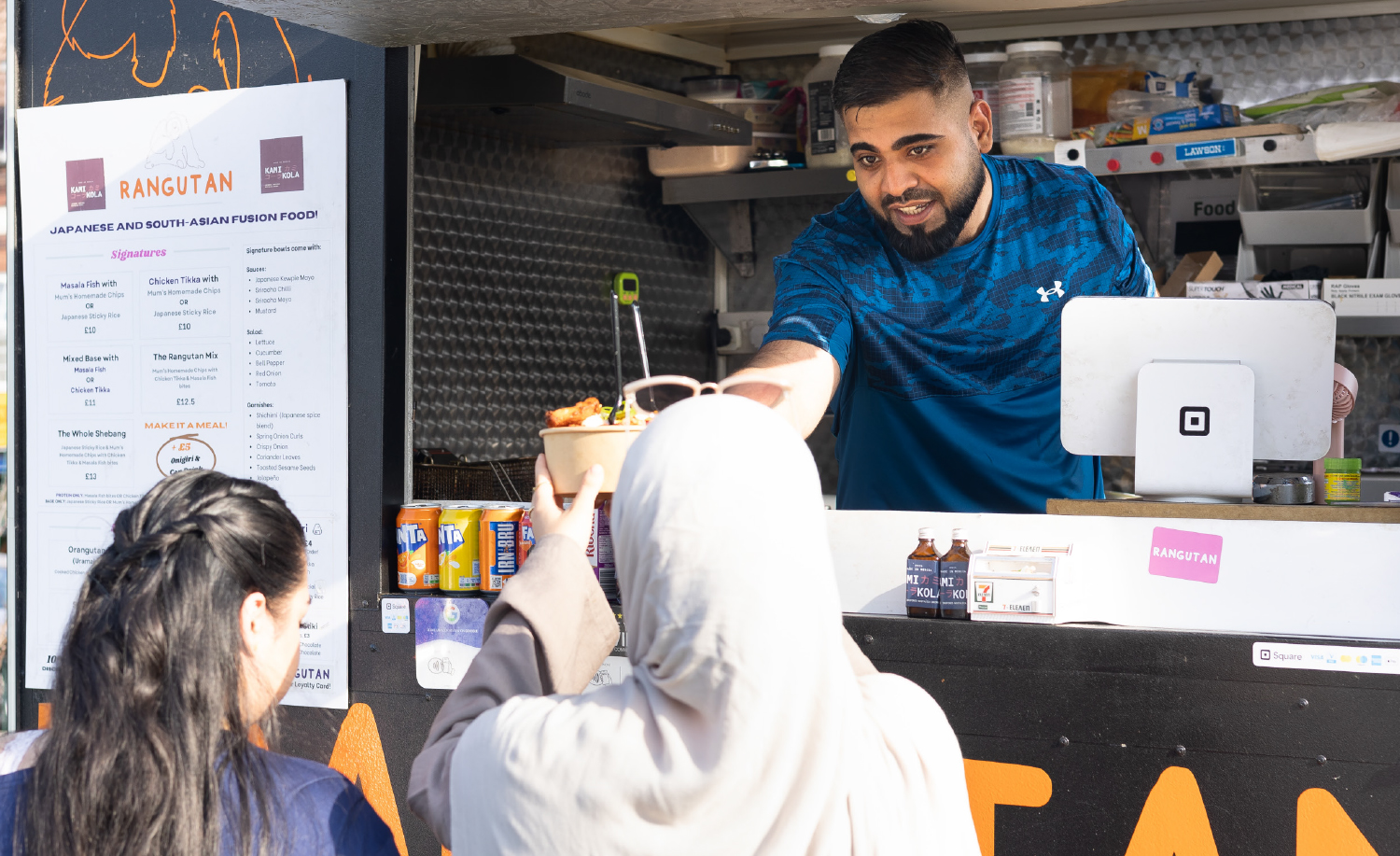
Although it’s a tight squeeze in the truck, chef and “charmer” Sam always has a smile and warm greeting for customers.
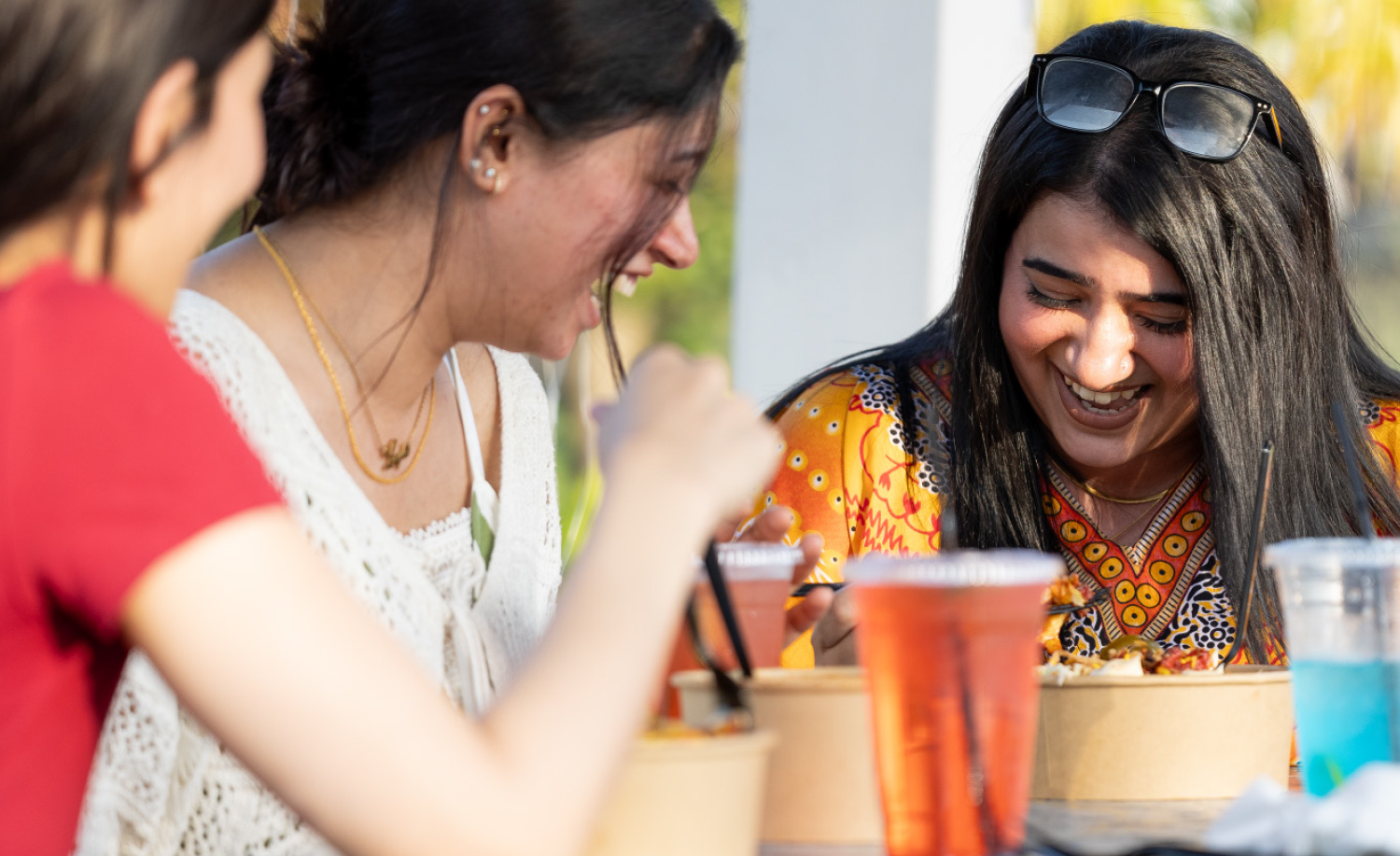
“We love engaging with them and having fun. It’s part of the experience and one more thing on top of the consistently great food and beautiful presentation that keeps you in their thoughts,” he says.
“We want people to come back because of the experience. The food has to be amazing – that’s a given – but we believe that people also remember how you made them feel.”
“"We believe that people remember how you made them feel””

Service is everything
Kami agrees: “We’ve all had experiences where you go to a place and the food’s amazing but the service is horrible, where you wait ages or disinterested staff are rude or just don’t care. You never go back. But if the food is good and the service amazing, you want to return and support them.”
That focus has helped Rangutan grow a loyal following fast, as well as attracting attention from event organisers and food parks around the Midlands.
Many fans of the Japanese sushi meets Indian fusion – Kami is Bengali and Sam Pakistani – travel from as far afield as 30 miles for
their takeaway treat.
Kami says: “Within six months of starting we had people asking if they could set up a franchise, but we are taking steady steps and growing slowly until we’re ready to skyrocket.”
Bad feedback is good
The key to that will lie in the measurable feedback the pair seek from customers about new dishes. “It’s important to test, measure and improve. That’s how you know you’re building something people genuinely want… or don’t,” Kami adds.
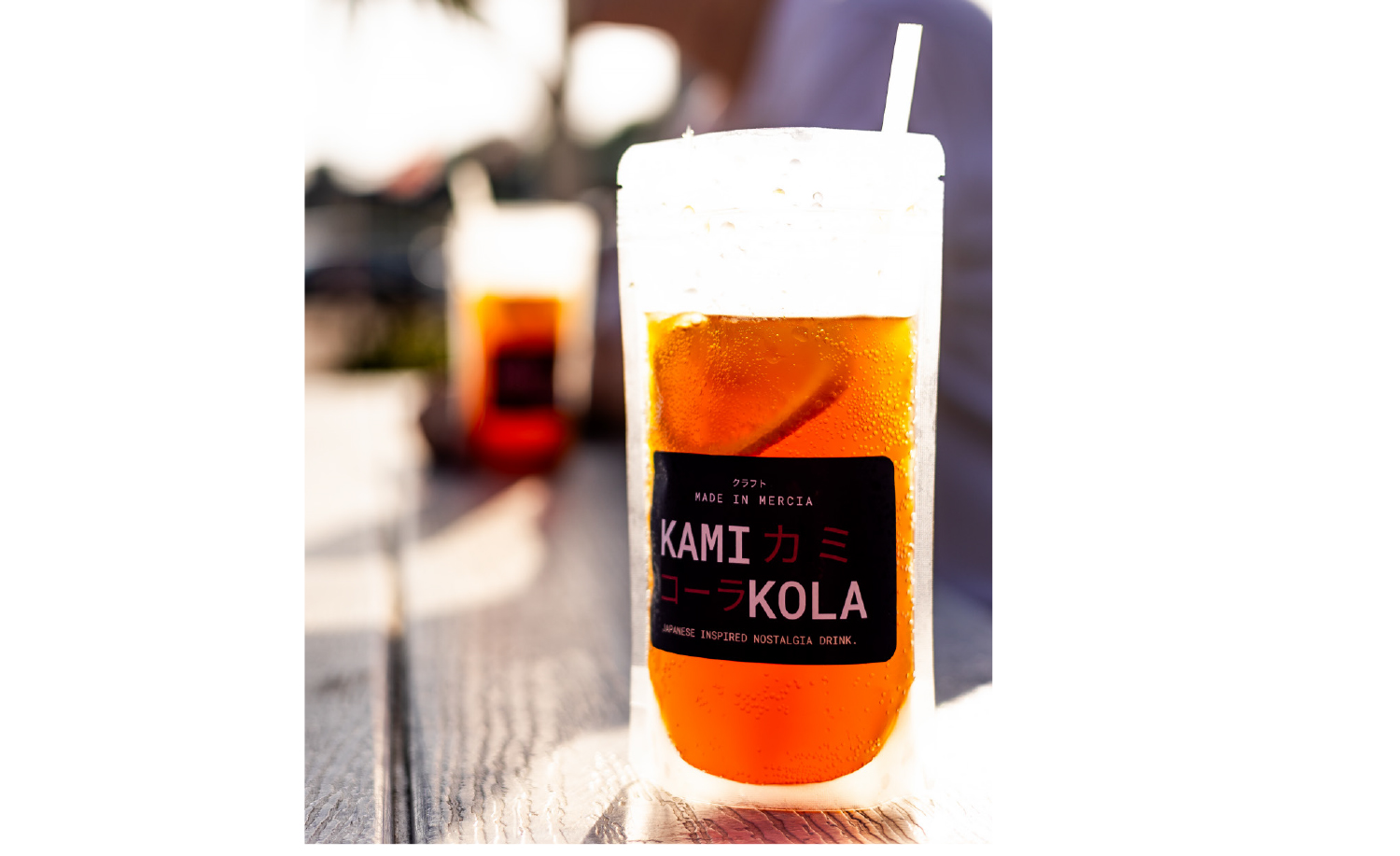
It’s an approach that has played a major part in the launch of Rangutan’s own-brand Kola, which saw the firm’s drinks sales double within months.
During his Japanese adventure Kami discovered a variation of the old traditional Kola syrup and decided to import it to recreate the distinctive flavour on his stand.
The launch saw the duo making fresh Kola in front of customers, but sky-high shipping costs meant it was a loss-maker despite customer fervour. “That changed when my sister said ‘why don’t you make your own?’
Today we hand mix branded Kami Kola syrup with 14 herbs and spices, and the margins are good.”
DOUBLE UP ON DRINKS
“Now people come not just for the unique food but also the fancy drink you can’t get anywhere else. That’s what gives us another
edge over other outlets.”
That shift towards brand recognition is a deliberate first step towards extending Rangutan products into retail – with sauces, spice blends and seasonings their next target.
Sam explains: “Originally we were simply using ready-made marinades and pastes and generic sauces, but then we decided to go all in on homemade and quality so we made our own.
“We have a lot of goals around making everything in-house and going forward we want to make our kewpie and tartare sauces ourselves – but better.”
GROW CAREFULLY
Despite the invitations to spread their wings, Rangutan’s owners are taking a measured approach, with Kami’s data-driven, conservative strategy dictating the pace of change.
“Our business has been entirely self-funded, with no loans or outside investment so rather than chasing rapid expansion, we want to make sure every part of the operation is refined before scaling,” he says. “We’re patient. We’d rather evolve steadily, prove the model works and then accelerate once we’ve got most things right.”
FLEX YOUR MENU
They have even designed the menu in easily changeable blocks so certain dishes can be adapted for faster moving events.
“It’s all part of the testing because we don’t want to get to a big festival with a bigger trailer and find the menu is too complex to keep the queues moving. We want to get it right,” adds Sam.
That patience, combined with relentless creativity and a commitment to quality, is what gives the two long-standing friends confidence for the future.
Both admit they are still learning from mistakes and successes, but Kami confidently predicts: “Once everything clicks into place, we’ll be unstoppable.”
