What Foodservice tech is worth investing in?
With Foodservice businesses under pressure, the right technologies can help. Piers Skinner, Managing Director of Telemetry, shares his insight on what's worth investing in At their core, Foodservice businesses are all about humans serving humans. The ability to cook a great meal or offer top-notch service will never be replaced by technology. But when it comes to making operations more efficient, these systems can make a huge difference.
As Piers explains: “Hospitality will always depend on people. Technology should support those people by removing avoidable stress and operational blind spots, because what you don’t know can hurt you.”

“Venues that use connected data to prevent problems, improve consistency and control energy consumption will place themselves ahead of the problem curve. In a trading environment where every minute of service matters, informed and timely intervention often makes the difference between profit and pressure. Putting the right technologies in place can help with this.”
Live sensors
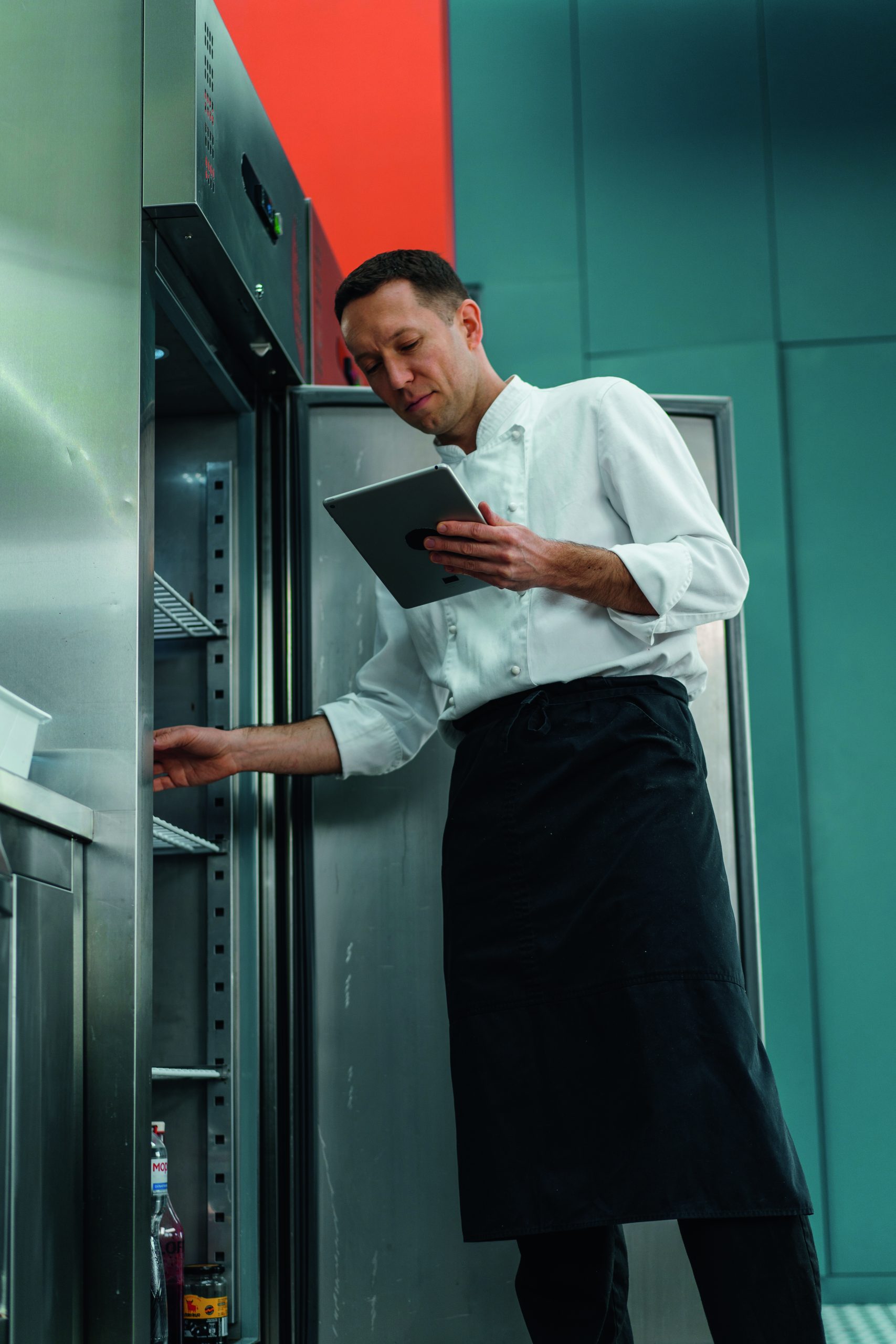
If an oven, fridge or freezer doesn’t work efficiently,
it can cause big problems and lead to higher energy bills.
By having access to live data, teams can more easily monitor real-time performance and pre-emptively spot problems. Live sensors can help do this, as well as replace inefficient manual checks and reactive engineer visits.
“When time and resources are already tight, it’s the incremental adjustments that make or break a business,” says Piers. “Live sensors can monitor everything from temperature, to water and air pressure, to power consumption. All of which can paint a clearer picture of how equipment performs under peak trading pressure, helping teams make small changes and improvements.”
This data can help businesses make investment decisions too. Piers explains: “Many of our clients underestimate how costly ageing equipment is until they see power consumption measured over a full trading cycle. Ongoing monitoring systems highlight inefficient assets and use clear evidence to inform upgrades. Essentially, when expenditure decisions need to be taken, data replaces the guesswork.”
Remote equipment monitoring
Remote monitoring platforms that integrate sensors across key equipment, such as a telemetry-based systems, are becoming increasingly valuable. They can collect data and indicate any machine stress early, meaning teams can act fast before failures stop service.
Piers says: “Your staff need to be kept in front of customers, not spending hours dealing with machine failures. This is where linking systems directly with service companies is particularly helpful, as engineers can get data and alerts before attending the site, so the root cause of a fault is known in advance.
“In some cases, this allows issues to be resolved remotely. Or where a visit is required, engineers attend with the correct parts, reducing repeat callouts and shortening downtime; which is all the more important given the current fuel crisis.”
Predictive AI
Predictive models built on historical data is the main way artificial intelligence (AI) will benefit Foodservice businesses. Using this data will automatically replicate human decision-making processes, taking the burden away from managers and supporting them to be proactive rather than reactive. This can be used to update inventories, plan menus or forecast equipment failure.
“For high-volume venues, this will be game-changing,” Piers explains. “Even a short interruption to dispensed beverages, refrigeration or cooking capacity during peak trading can have a measurable financial impact. In a cost environment where every service minute is more expensive than it was a year ago, avoiding preventable disruption is commercially significant.”
Operational automation
Even in the most efficiently-run Foodservice businesses, there are some time-consuming tasks which just have to be done. Technology can help take the workload of regular, straightforward jobs off teams’ shoulders, helping them spend more time working out how the business can work better. This includes:
- Digital kitchen display systems which automatically put orders up in front of chefs, so paper tickets don’t need to be run to and from front of house
- Point-of-sale systems that integrate transaction, inventory and staff data and store it on the cloud, connecting key processes to help improve efficiency.
Staff scheduling tools can predict sales across a week and assign appropriately-sized teams, while taking time off into account.
Digital customer experiences
Customers have higher service demands than
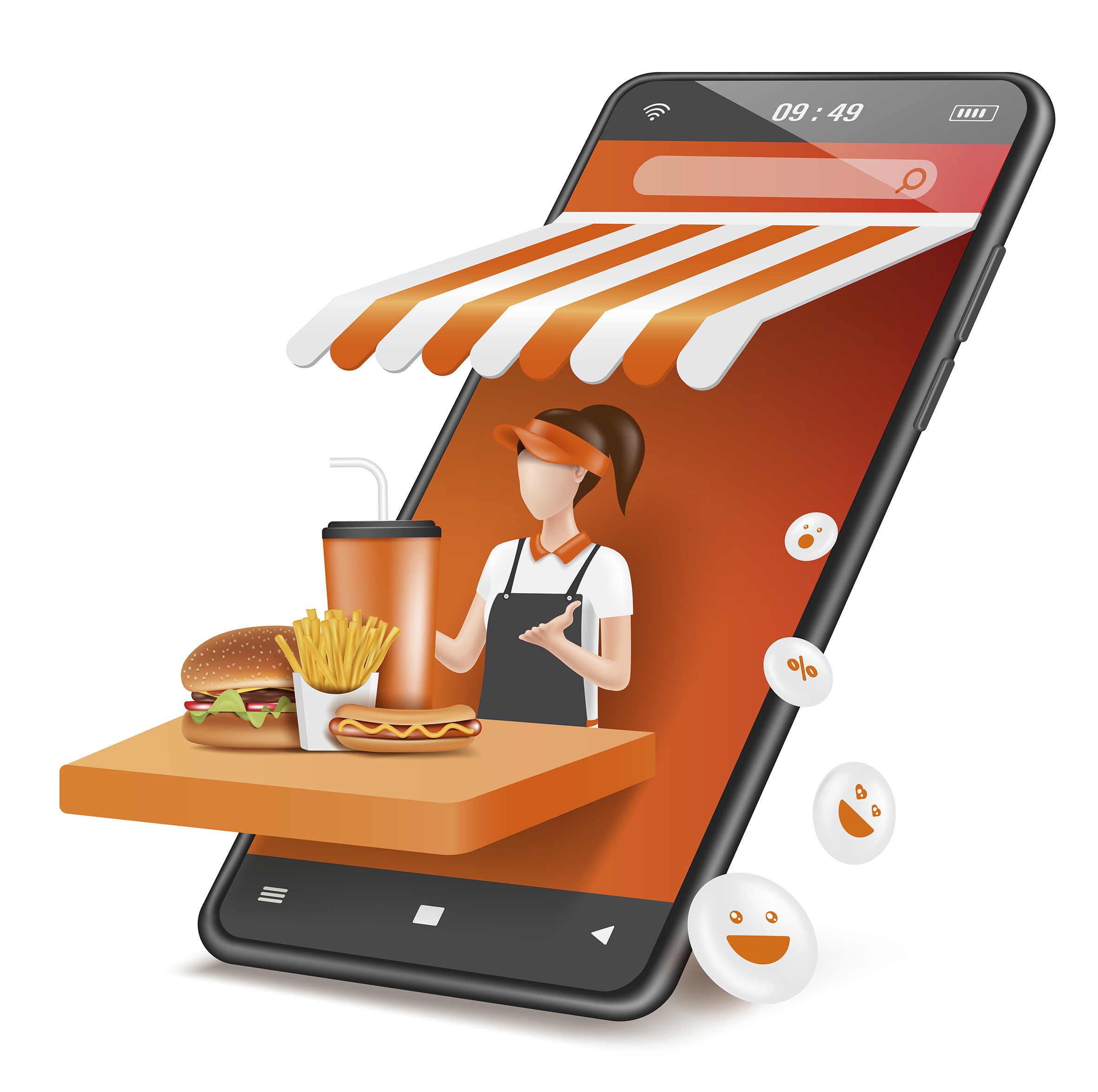
ever before. This puts significant pressures on staff. Digital technologies such as apps or self-service kiosks can help take the load off. They can take orders, book deliveries or collections and even upsell offers based on personalised data.
They can also help with marketing and sales.
Whether you want to collect reviews on Google, send offers on email or attract new customers on social media, there are tools which can help teams run these processes more efficiently.